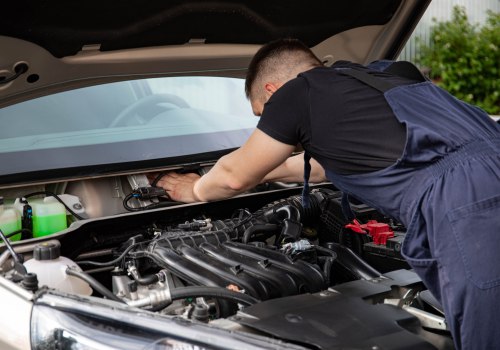
Cargo transportation plays an essential role in modern supply chains, ensuring that products, equipment, and materials reach their destinations safely and efficiently. Businesses depend on commercial trucks and delivery vehicles to maintain consistent shipping schedules and meet customer expectations. However, frequent travel, heavy loads, and demanding road conditions can place significant stress on fleet vehicles. Without proper maintenance, mechanical failures may lead to unexpected delays, damaged cargo, and increased operational expenses. Implementing a comprehensive fleet maintenance program helps transportation companies improve vehicle reliability, enhance driver safety, and maintain efficient delivery operations. Regular inspections and preventive servicing allow fleet managers to address potential problems before they disrupt transportation schedules.
Preventing Mechanical Breakdowns During Deliveries
One of the primary benefits of proper fleet maintenance is reducing the likelihood of unexpected mechanical breakdowns. Commercial vehicles frequently operate for extended periods, placing considerable pressure on engines, transmissions, braking systems, and suspension components.
Routine inspections help identify worn parts, fluid leaks, tire damage, and other mechanical concerns before they become serious problems. Fleet managers should establish maintenance schedules based on manufacturer recommendations, vehicle mileage, and operating conditions.
Addressing minor issues promptly can prevent expensive repairs and reduce the possibility of vehicles becoming stranded during important delivery assignments.
Supporting Emergency Preparedness and Roadside Assistance
Even properly maintained commercial vehicles can experience unexpected mechanical difficulties. Flat tires, battery failures, overheating, and electrical malfunctions may occur without warning, potentially interrupting scheduled cargo deliveries.
Reliable roadside assistance provides an additional layer of protection for transportation companies. Professional service providers such as Road Angel Towing and Roadside Service can be valuable resources when drivers encounter unexpected roadside emergencies.
Fleet managers should verify that their selected assistance providers have suitable equipment and capabilities for handling commercial vehicles. Establishing emergency response procedures also helps drivers obtain appropriate support while minimizing unnecessary delays.
Improving Driver Safety and Protecting Valuable Cargo
Vehicle safety directly affects the well-being of commercial drivers and the condition of transported goods. Poorly maintained brakes, worn tires, and defective steering components can increase accident risks, particularly when trucks carry substantial loads.
Regular maintenance helps ensure that essential vehicle systems function correctly under demanding transportation conditions. Proper cargo securement and weight distribution further contribute to vehicle stability.
Fleet operators should also inspect trailers, loading equipment, and cargo restraints to reduce the likelihood of damage during transportation.
Maintaining Consistent Delivery Schedules
Timely deliveries are essential for customer satisfaction and efficient supply chain management. Unexpected vehicle failures can disrupt warehouse operations, delay shipments, and create scheduling complications for businesses.
Preventive maintenance allows transportation companies to schedule repairs during planned service periods rather than responding to sudden mechanical emergencies.
Fleet management software can also help monitor vehicle conditions, track service histories, and identify upcoming maintenance requirements. These tools support better planning and improve overall transportation efficiency.
Reducing Long-Term Operating Expenses
Consistent maintenance can help transportation businesses control expenses associated with emergency repairs, fuel consumption, and premature vehicle replacement.
Properly maintained engines, tires, and mechanical components generally operate more efficiently, potentially reducing fuel costs and unnecessary wear.
Keeping accurate maintenance records also helps fleet managers evaluate vehicle performance and make informed decisions about repairs, replacements, and operational improvements.
Strengthening Customer Trust Through Reliable Transportation
Customers expect transportation providers to deliver shipments safely and within agreed timelines. Consistent fleet maintenance demonstrates professionalism and commitment to dependable service.
Reliable vehicles help businesses reduce delivery disruptions, protect customer belongings, and maintain positive commercial relationships.
Building a More Efficient Cargo Delivery Operation
Proper fleet maintenance is essential for maintaining safe, reliable, and cost-effective cargo transportation. By combining preventive inspections, professional repairs, emergency preparedness, and organized fleet management, transportation companies can minimize mechanical disruptions and improve delivery performance.
Ultimately, investing in consistent vehicle maintenance helps protect drivers, preserve valuable cargo, reduce operating expenses, and support long-term success in the competitive logistics industry.