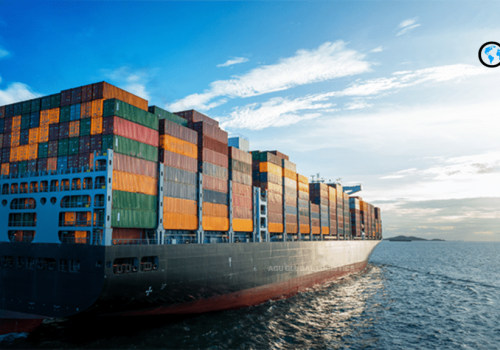
In the intricate world of cargo shipping, the role of a customs broker is pivotal. These professionals serve as the vital link between importers, exporters, and government authorities, ensuring that goods move smoothly across international borders. With the complexities of customs regulations and trade laws constantly evolving, having a knowledgeable customs broker can make all the difference in navigating the often turbulent waters of international trade. Customs brokers are not just facilitators; they are experts in compliance and logistics. They possess a deep understanding of tariffs, duties, and documentation requirements that vary from one country to another.
This expertise allows them to help businesses avoid costly delays and penalties that can arise from improper documentation or non-compliance with customs regulations. By managing these critical aspects of cargo shipping, customs brokers enable companies to focus on their core operations while ensuring that their shipments arrive on time and in accordance with legal requirements. Moreover, the significance of customs brokers extends beyond mere compliance. They also play a strategic role in optimizing supply chains by advising businesses on the best practices for importing and exporting goods. This includes identifying potential cost savings through tariff classifications and trade agreements, which can significantly impact a company's bottom line.
As global trade continues to expand, the importance of customs brokers in facilitating efficient and compliant cargo shipping cannot be overstated.
What is a Customs Broker?
A customs broker is a licensed professional who acts as an intermediary between importers and exporters and the government, ensuring that all shipments comply with the laws and regulations governing cargo shipping. Their primary role is to facilitate the smooth transit of goods across international borders, which involves a deep understanding of customs regulations, tariffs, and trade agreements.To operate as a customs broker in the United States, individuals must meet specific qualifications and legal requirements:- Licensing: Customs brokers must obtain a license from the U.S. Customs and Border Protection (CBP). This involves passing a rigorous examination that tests their knowledge of customs laws and procedures.
- Background Check: Applicants undergo a thorough background check to ensure they have no criminal history that could jeopardize their ability to handle sensitive cargo shipping transactions.
- Experience: While not always mandatory, having prior experience in logistics, international trade, or customs operations can significantly enhance a broker's effectiveness.
They often work closely with freight forwarders, shipping lines, and import/export businesses to ensure that all documentation is accurate and submitted in a timely manner.Overall, the role of a customs broker is crucial in navigating the complexities of international trade. By ensuring compliance with all legal requirements, they help businesses avoid costly delays and penalties associated with improper documentation or non-compliance in cargo shipping.
Key Responsibilities of a Customs Broker
A customs broker plays a crucial role in the realm of cargo shipping, acting as an intermediary between importers/exporters and government authorities. Their primary responsibilities encompass a variety of tasks that ensure smooth and compliant transportation of goods across international borders.- Documentation Management: One of the key duties of a customs broker is to prepare and submit all necessary documentation required for customs clearance. This includes invoices, packing lists, and bills of lading, which are essential for verifying the contents and value of shipments.
- Compliance Assurance: Customs brokers are responsible for ensuring that all shipments comply with local and international regulations.
They stay updated on changes in trade laws, tariffs, and import/export restrictions, helping clients avoid costly penalties or delays.
- Tariff Classification: Accurately classifying goods under the correct tariff codes is vital for determining applicable duties and taxes. Customs brokers possess the expertise to classify items correctly, which can significantly impact shipping costs.
- Communication with Government Agencies: Customs brokers liaise with various government agencies, such as the Customs and Border Protection (CBP) in the U.S., to facilitate the clearance process. They handle inquiries and resolve any issues that may arise during customs inspections.
- Payment of Duties and Taxes: Another critical responsibility is managing the payment of duties, taxes, and fees associated with imports. Customs brokers ensure that these payments are made promptly to prevent delays in cargo release.
- Advisory Services: Beyond compliance, customs brokers provide valuable advice on logistics strategies, helping businesses optimize their supply chain operations.
They can suggest ways to minimize costs while ensuring adherence to regulations.
How Customs Brokers Facilitate Cargo Shipping
In the complex world of cargo shipping, customs brokers play a pivotal role in ensuring that goods move smoothly across international borders. Their expertise not only facilitates the shipping process but also helps businesses navigate the intricate web of regulations and compliance requirements.Understanding Regulations
- Customs brokers are well-versed in the myriad of laws and regulations governing international trade. They ensure that all necessary documentation is prepared and submitted accurately, which is crucial for avoiding delays.
- They stay updated on changes in trade policies, tariffs, and import/export restrictions, allowing them to provide timely advice to shippers.
Streamlining the Shipping Process
- By acting as intermediaries between shippers and government authorities, customs brokers expedite the clearance process.
This means that cargo can be released faster, reducing potential downtime for businesses.
- They coordinate with various stakeholders, including freight forwarders and shipping lines, to ensure that all aspects of the shipment are aligned and compliant.
Cost Efficiency
- Customs brokers help identify potential cost savings by advising on tariff classifications and duty drawbacks. This can significantly reduce overall shipping costs for businesses.
- They also help prevent costly penalties associated with non-compliance, which can arise from incorrect documentation or failure to adhere to regulations.
The Impact of Customs Regulations on Cargo Shipping
In the realm of cargo shipping, understanding and adhering to customs regulations is paramount. These regulations are designed to ensure that goods entering or leaving a country comply with local laws, safety standards, and trade agreements. Failure to comply can lead to significant delays, fines, or even confiscation of goods, making the role of a customs broker essential in the shipping process.Customs brokers
serve as intermediaries between shippers and government authorities, facilitating the smooth movement of cargo across borders.They possess in-depth knowledge of the complex web of regulations that govern international trade. This expertise allows them to:
- Classify goods accurately: Proper classification is crucial for determining duties and taxes. Customs brokers ensure that products are categorized correctly according to the Harmonized System (HS) codes.
- Prepare documentation: A myriad of documents is required for customs clearance, including invoices, packing lists, and certificates of origin. Customs brokers handle this paperwork meticulously to avoid any compliance issues.
- Navigate tariffs and duties: Understanding applicable tariffs and duties can significantly impact shipping costs.
Customs brokers help shippers identify potential savings through various trade agreements.
- Communicate with customs officials: Customs brokers act as a liaison between shippers and customs authorities, addressing any inquiries or issues that may arise during the clearance process.
Choosing the Right Customs Broker for Your Needs
Choosing the right customs broker is crucial for businesses involved in cargo shipping.A competent customs broker can streamline the import and export process, ensuring compliance with regulations and minimizing delays. Here are some key factors to consider when selecting a customs broker:
- Experience and Expertise: Look for a broker with extensive experience in cargo shipping. They should be familiar with the specific regulations and requirements of your industry.
- Licensing and Certification: Ensure that the customs broker is licensed by the appropriate authorities. In the U.S., they should be a licensed customs broker by the U.S.
Customs and Border Protection (CBP).
- Services Offered: Different brokers may offer varying services. Determine if you need additional services such as freight forwarding, warehousing, or logistics management, and choose a broker that can meet those needs.
- Technology and Tools: A modern customs broker should utilize technology to enhance efficiency. Look for brokers who use advanced software for tracking shipments and managing documentation.
- Communication Skills: Effective communication is vital in cargo shipping. Your customs broker should be responsive and able to explain complex regulations clearly.
- Reputation and Reviews: Research potential brokers by reading reviews and testimonials from other clients.
A strong reputation can indicate reliability and quality service.
Common Challenges Faced by Customs Brokers in Cargo Shipping
Customs brokers play a crucial role in the cargo shipping industry, but they often face a variety of challenges that can complicate their work. Understanding these challenges is essential for both brokers and their clients to ensure smooth operations.- Regulatory Changes: One of the most significant challenges is keeping up with constantly changing regulations.
Customs laws can vary not only by country but also by specific goods being shipped. Brokers must stay informed about these changes to avoid delays and penalties.
- Documentation Issues: Proper documentation is vital in cargo shipping. Incomplete or incorrect paperwork can lead to cargo being held at customs, resulting in increased costs and time delays. Customs brokers must meticulously verify all documents to ensure compliance.
- Communication Barriers: Effective communication with various stakeholders, including shipping companies, importers, and government agencies, is essential.
Language differences and varying expectations can create misunderstandings that complicate the shipping process.
- Technological Challenges: As the industry evolves, customs brokers must adapt to new technologies and software systems. While these tools can streamline processes, they also require training and can present technical issues that need immediate resolution.
- Risk Management: Customs brokers must navigate risks associated with cargo theft, damage, or loss during transit. Implementing effective risk management strategies is crucial to protect both their clients' interests and their own reputation.
By staying proactive and adaptable, customs brokers can effectively manage the complexities of cargo shipping, ensuring that shipments are processed smoothly and efficiently.
FAQs About Customs Brokers and Cargo Shipping
When it comes to cargo shipping, many individuals and businesses have questions about the role of a customs broker. Here are some frequently asked questions that can help clarify their importance in the shipping process.- What is a customs broker?
A customs broker is a licensed professional who helps importers and exporters navigate the complex regulations and requirements of international trade. They ensure that all necessary documentation is completed accurately and submitted on time. - Why do I need a customs broker for cargo shipping?
Using a customs broker can save you time and reduce the risk of delays or penalties. They are knowledgeable about customs regulations and can help you comply with all legal requirements, ensuring your cargo moves smoothly through customs. - What services do customs brokers provide?
Customs brokers offer a range of services, including:- Preparation and submission of import/export documentation
- Classification of goods according to tariff codes
- Payment of duties and taxes on behalf of clients
- Consultation on trade compliance and regulations
- How do I choose a customs broker?
When selecting a customs broker, consider their experience, reputation, and specialization in your type of cargo.It's also beneficial to check if they are licensed by the appropriate government authorities.
- Can I handle customs clearance without a broker?
While it is possible to manage customs clearance independently, it can be challenging due to the intricate rules and paperwork involved. A customs broker can simplify this process significantly.
Conclusion: The Indispensable Role of Customs Brokers in Cargo Shipping
In conclusion, the role of customs brokers in cargo shipping is not just significant; it is essential for the smooth operation of international trade. As we have explored, customs brokers serve as the vital link between shippers and government authorities, ensuring that all regulations are met and that shipments clear customs without unnecessary delays. One of the primary responsibilities of customs brokers is to navigate the complex web of import and export regulations.This includes understanding tariffs, duties, and compliance requirements that vary by country. By leveraging their expertise, customs brokers help businesses avoid costly fines and penalties that can arise from non-compliance. Moreover, customs brokers play a crucial role in expediting the cargo shipping process. They prepare and submit the necessary documentation, such as bills of lading and commercial invoices, which are critical for timely clearance. This efficiency not only saves time but also reduces the risk of cargo being held up at ports. Additionally, customs brokers provide valuable advice on trade agreements and logistics strategies, helping businesses optimize their supply chains.
Their insights can lead to significant cost savings and improved operational efficiency. Ultimately, as global trade continues to evolve, the demand for skilled customs brokers will only increase. Their ability to adapt to changing regulations and provide tailored solutions makes them an indispensable partner in the world of cargo shipping.In summary, engaging a knowledgeable customs broker is a strategic move for any business involved in international shipping. Their expertise not only facilitates compliance but also enhances overall efficiency in the cargo shipping process.