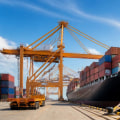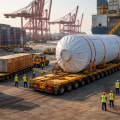
Cargo shipping plays a pivotal role in the global economy, serving as the backbone of international trade. As businesses expand their reach beyond borders, understanding the intricacies of international shipping becomes essential. This process involves transporting goods across countries, which not only facilitates commerce but also fosters cultural exchange and economic growth. At its core, cargo shipping encompasses various methods, including air, sea, and land transport. Each method has its own set of advantages and challenges, making it crucial for businesses to choose the right option based on their specific needs.
However, one of the most critical aspects of cargo shipping that often goes overlooked is the customs procedures involved in moving goods across international borders. Customs procedures are designed to regulate the flow of goods and ensure compliance with national laws and regulations. They involve a series of steps that must be followed to avoid delays and additional costs. Understanding these procedures not only helps in smooth transit but also minimizes the risk of penalties or confiscation of goods. As we delve deeper into this topic, we will explore the essential customs procedures that every shipper should be aware of to navigate the complexities of international cargo shipping effectively.
The Importance of Customs Procedures in Cargo Shipping
In the realm of cargo shipping, understanding the significance of customs procedures is paramount.These procedures are not merely bureaucratic hurdles; they are essential for ensuring that goods move smoothly across international borders. Failure to comply with customs regulations can lead to severe legal implications, including fines, confiscation of goods, and even criminal charges in extreme cases.
Customs compliance
is crucial for several reasons:- Legal Requirements: Each country has its own set of regulations governing the import and export of goods. Adhering to these laws is not optional; it is a legal requirement that protects both the importer and exporter.
- Avoiding Delays: Inadequate documentation or non-compliance can result in significant delays at customs checkpoints. These delays can disrupt supply chains and lead to increased costs, affecting overall business operations.
- Cost Efficiency: Proper customs procedures can help avoid unexpected fees and penalties.
By ensuring that all paperwork is in order, businesses can streamline their shipping processes and reduce costs associated with delays or fines.
- Enhanced Reputation: Companies that consistently comply with customs regulations build a reputation for reliability. This can lead to stronger relationships with partners and customers, fostering trust in international trade.
They are integral to legal compliance, operational efficiency, and maintaining a positive business reputation in the global marketplace.
Key Customs Procedures for International Cargo Shipping
When it comes to cargo shipping, understanding the customs procedures is crucial for ensuring a smooth international shipping process. Here are the key steps involved:- Documentation Preparation: Before shipping, gather all necessary documents, including the commercial invoice, packing list, bill of lading, and any required export licenses. These documents provide essential information about the cargo and its value.
- Customs Declaration: Submit a customs declaration form to the relevant authorities. This form details the nature of the goods being shipped, their value, and their intended destination.
Accurate declarations help avoid delays and potential fines.
- Payment of Duties and Taxes: Depending on the destination country, you may need to pay import duties and taxes. These fees are typically based on the value of the goods and their classification under the Harmonized System (HS) codes.
- Customs Inspection: Be prepared for a possible customs inspection. Customs officials may examine your cargo to ensure compliance with regulations. Having all documentation in order can expedite this process.
- Release of Goods: Once customs clearance is granted, you will receive a release notification.
This allows you to proceed with the delivery of your cargo to its final destination.
Documentation Required for Customs Clearance
When it comes to cargo shipping, proper documentation is crucial for ensuring smooth customs clearance. Each country has its own regulations, but there are several key documents that are commonly required across international borders.- Commercial Invoice: This document serves as a bill for the goods being shipped and includes details such as the buyer and seller information, a description of the goods, their value, and payment terms. It is essential for customs to assess duties and taxes.
- Packing List: A detailed packing list outlines the contents of each package, including dimensions and weight.
This helps customs officials verify the shipment against the commercial invoice.
- Bill of Lading (BOL): The BOL is a contract between the shipper and carrier, detailing the type, quantity, and destination of the goods. It acts as a receipt for cargo and is vital for tracking shipments.
- Certificate of Origin: This document certifies the country in which the goods were manufactured. It may be required to determine eligibility for tariffs or trade agreements.
- Import/Export Licenses: Depending on the nature of the goods, specific licenses may be necessary to comply with local laws and regulations.
Additionally, it’s advisable to consult with a customs broker or freight forwarder who can provide guidance tailored to your specific shipment needs.In summary, understanding and preparing the necessary customs documentation is vital for successful cargo clearance. By ensuring that all shipping documents are complete and accurate, you can facilitate a smoother transit process and avoid potential complications at customs.
Common Challenges in Customs Procedures
When it comes to cargo shipping, navigating the customs procedures can often present a myriad of challenges. Understanding these common issues is crucial for ensuring a smooth shipping process and avoiding costly delays.- Documentation Errors: One of the most frequent challenges in customs procedures is the submission of incorrect or incomplete documentation. This can include missing invoices, incorrect tariff classifications, or failure to provide necessary permits.
To mitigate this issue, it is essential to double-check all paperwork and ensure that it meets the specific requirements of the destination country.
- Customs Duties and Taxes: Unexpected customs duties and taxes can catch shippers off guard. Each country has its own regulations regarding tariffs, which can change frequently. To avoid surprises, shippers should research the applicable duties for their cargo and factor these costs into their shipping budget.
- Compliance with Regulations: Different countries have varying regulations regarding what can be imported or exported. Non-compliance can lead to cargo being held or even confiscated.
Staying informed about the latest regulations and working with a knowledgeable customs broker can help ensure compliance.
- Delays in Clearance: Customs clearance can sometimes take longer than expected due to inspections or additional documentation requests. To minimize delays, shippers should plan for potential hold-ups by allowing extra time in their shipping schedules and maintaining open communication with customs officials.
Tips for Smooth Customs Clearance in Cargo Shipping
Ensuring a smooth customs clearance process is crucial for efficient cargo shipping. Here are some practical tips and best practices to help you navigate the complexities of customs procedures:- Understand Customs Regulations: Familiarize yourself with the customs regulations of both the exporting and importing countries.
Each country has specific rules regarding documentation, duties, and taxes that can significantly impact your shipment.
- Accurate Documentation: Ensure that all required documents are complete and accurate. This includes commercial invoices, packing lists, bills of lading, and any necessary permits or licenses. Inaccurate or missing documents can lead to delays or additional fees.
- Classify Goods Correctly: Properly classify your goods using the Harmonized System (HS) codes. This classification affects duty rates and compliance with trade regulations.
Misclassification can result in penalties or shipment delays.
- Work with Experienced Customs Brokers: Consider hiring a licensed customs broker who understands the intricacies of international shipping. They can help you navigate the paperwork and ensure compliance with all regulations.
- Pre-Arrival Processing: Whenever possible, submit your customs documentation before your cargo arrives at the port. This pre-arrival processing can expedite clearance and reduce wait times.
- Stay Informed on Trade Agreements: Be aware of any trade agreements that may affect your shipment. These agreements can provide benefits such as reduced tariffs or simplified procedures.
FAQs About Customs Procedures in Cargo Shipping
When it comes to cargo shipping, understanding customs procedures is crucial for a smooth international shipping experience.Here are some frequently asked questions that can help clarify common concerns:
What documents are required for customs clearance?
To ensure your cargo clears customs without delays, you typically need the following documents:- Commercial Invoice: This document details the transaction between the buyer and seller.
- Packing List: A detailed list of the items being shipped, including their weights and dimensions.
- Bill of Lading: A contract between the shipper and carrier that outlines the terms of transport.
- Customs Declaration: A form that provides information about the goods being imported or exported.
How long does customs clearance take?
The duration of customs clearance can vary significantly based on several factors, including:- The destination country’s regulations.
- The completeness and accuracy of your documentation.
- The type of goods being shipped.
What are common reasons for customs delays?
Customs delays can be frustrating, but understanding their causes can help you avoid them. Common reasons include:- Incomplete Documentation: Missing or incorrect paperwork can halt the clearance process.
- Duties and Taxes: Unpaid duties or taxes may lead to your cargo being held until payment is made.
- Inspection Requirements: Random inspections by customs officials can delay processing times.
Conclusion: Mastering Customs Procedures for Successful Cargo Shipping
In conclusion, navigating the complexities of customs procedures is essential for anyone involved in international cargo shipping. Understanding these procedures not only ensures compliance with legal requirements but also facilitates smoother transit of goods across borders.Throughout this article, we have highlighted several key aspects that are crucial for mastering customs procedures:- Documentation: Proper documentation is the backbone of successful cargo shipping.
This includes invoices, packing lists, and any necessary permits or licenses.
- Tariffs and Duties: Familiarity with applicable tariffs and duties can significantly impact the overall cost of shipping. Knowing how to classify goods correctly can help avoid unexpected expenses.
- Customs Brokers: Engaging a knowledgeable customs broker can streamline the process, as they are well-versed in regulations and can handle paperwork efficiently.
- Compliance with Regulations: Each country has its own set of regulations. Staying informed about these can prevent delays and penalties.
- Communication: Maintaining open lines of communication with all parties involved—shippers, customs officials, and logistics providers—can help address issues promptly.
As global trade continues to evolve, staying informed and adaptable will be key to thriving in this competitive landscape.