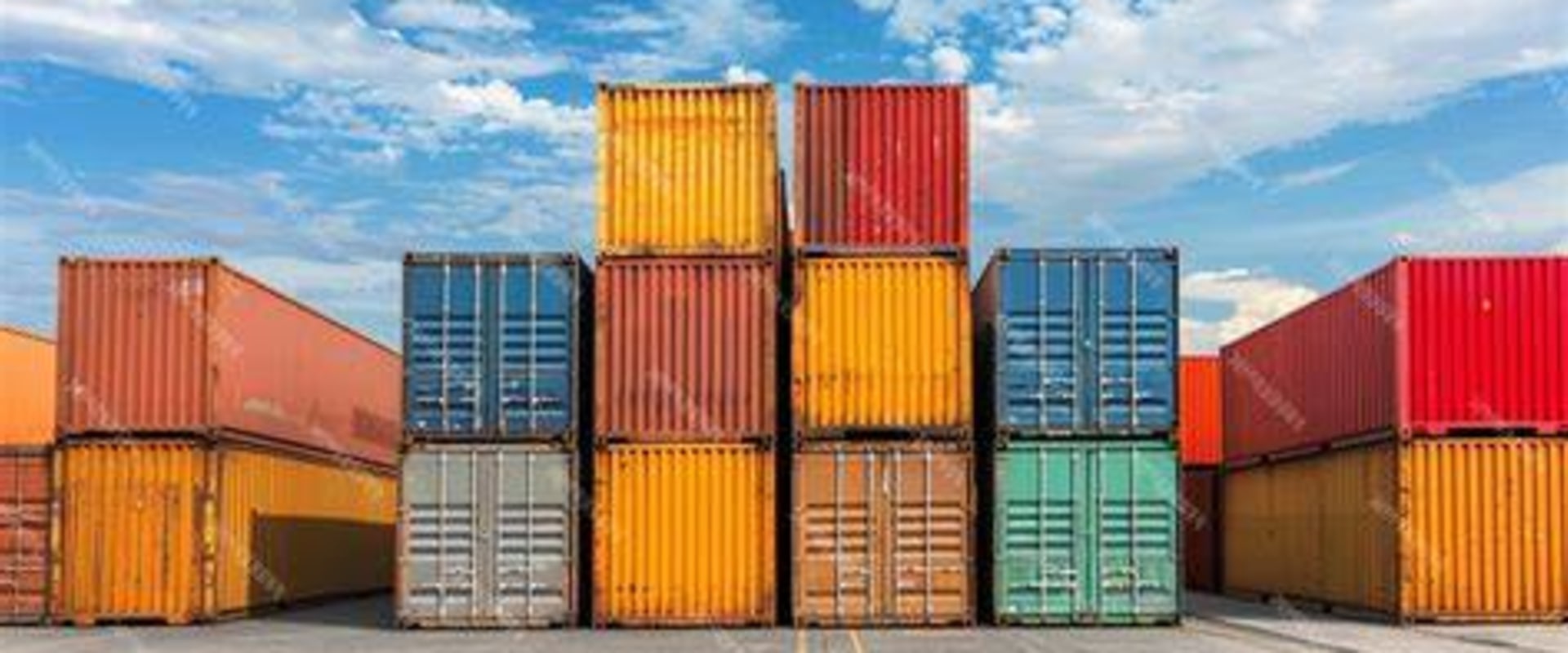
Cargo shipping plays a pivotal role in the framework of global trade, serving as the backbone that connects producers and consumers across vast distances. In an increasingly interconnected world, the ability to transport goods efficiently and reliably is essential for economic growth and development. The shipping industry facilitates the movement of raw materials, finished products, and everything in between, making it possible for businesses to reach new markets and for consumers to access a diverse array of products.As international trade continues to expand, the significance of cargo shipping becomes even more pronounced. It not only supports local economies but also fosters international relationships by enabling countries to exchange goods and services.
The efficiency of this system hinges on various factors, including logistics, technology, and infrastructure, all of which contribute to the seamless flow of goods across borders.Moreover, the evolution of shipping methods and containerization has revolutionized the industry, allowing for faster and more secure transport of cargo. Shipping containers have become synonymous with modern logistics, providing a standardized way to move goods while minimizing damage and loss. Understanding the role of cargo shipping is crucial for grasping how global trade operates and why it remains a vital component of our economy.
What Are Shipping Containers?
Shipping containers are standardized, reusable steel boxes designed to facilitate the efficient transport of goods across various modes of transportation, including ships, trucks, and trains. Their robust construction and uniform dimensions allow for easy stacking and handling, making them a cornerstone of cargo shipping.There are several types of shipping containers, each tailored to meet specific shipping needs:- Standard Dry Containers: The most common type, used for general cargo.
- Refrigerated Containers (Reefers): Equipped with temperature control for perishable goods.
- Open Top Containers: Designed for oversized cargo that cannot fit through standard doors.
- Flat Rack Containers: Ideal for heavy loads and machinery that require loading from the top or sides.
- Tank Containers: Used for transporting liquids, gases, and chemicals.
Standard containers typically measure 20 or 40 feet in length, with a height of 8.5 feet (or 9.5 feet for high cube containers) and a width of 8 feet. These dimensions allow for efficient stacking and storage in shipping yards and on vessels.Additionally, shipping containers are designed with features that enhance their functionality:
- Durability: Made from corten steel, they can withstand harsh weather conditions and rough handling.
- Security: Fitted with locking mechanisms to protect cargo from theft and damage.
- Versatility: Can be modified for various uses beyond shipping, such as storage or even housing.
The Role of Shipping Containers in Cargo Shipping
Shipping containers play a pivotal role in the cargo shipping process, revolutionizing the way goods are transported across the globe. These robust, standardized units are designed to facilitate the efficient movement of cargo, ensuring that products reach their destinations safely and on time.Efficiency in Loading and Unloading
One of the primary benefits of using shipping containers is their ability to streamline loading and unloading operations.
With standardized dimensions, containers can be easily stacked and transported using cranes and other machinery, significantly reducing the time required for these processes. This efficiency not only speeds up the cargo shipping timeline but also minimizes labor costs associated with handling goods.
Enhanced Security
Security is another critical aspect of shipping containers. Designed to be tamper-proof and weather-resistant, they protect cargo from theft and environmental damage during transit. The use of seals and locks further enhances security, providing peace of mind for shippers and recipients alike.
Standardization Benefits
The standardization of shipping containers has led to significant improvements in the cargo shipping industry.
Containers come in various sizes, with the most common being 20-foot and 40-foot units. This uniformity allows for seamless transfer between different modes of transport—ships, trucks, and trains—facilitating a smooth intermodal shipping process.
- Intermodal Transport: Shipping containers can be easily transferred from one mode of transport to another without unpacking the cargo.
- Space Optimization: The uniform size of containers allows for better space utilization on ships, reducing shipping costs per unit.
- Global Trade Facilitation: The widespread adoption of containerization has made international trade more accessible and efficient.
Advantages of Using Shipping Containers in Cargo Shipping
Shipping containers have revolutionized the cargo shipping industry, offering numerous advantages that enhance efficiency and safety. One of the primary benefits is cost-effectiveness.By standardizing the size and shape of cargo, shipping containers allow for optimal use of space on ships, trucks, and trains. This standardization reduces shipping costs significantly, as more goods can be transported in a single trip, minimizing the need for multiple shipments.Another advantage is the reduced transit times. Containers can be easily loaded and unloaded using specialized equipment, which speeds up the process at ports. This efficiency not only shortens delivery times but also helps in maintaining a consistent schedule, which is crucial for businesses relying on timely shipments.Furthermore, shipping containers provide enhanced safety for goods in transit.
They are designed to withstand harsh weather conditions and rough handling during transportation. The robust construction of containers protects cargo from damage, theft, and exposure to environmental factors. This level of protection is particularly important for high-value or sensitive items.Additionally, the use of shipping containers promotes sustainability in cargo shipping. Many containers are made from recyclable materials, and their durability means they can be reused multiple times before being retired.
This reduces waste and contributes to a more environmentally friendly shipping process.In summary, the advantages of using shipping containers in cargo shipping include:
- Cost-effectiveness: Maximizes space and reduces shipping costs.
- Reduced transit times: Speeds up loading and unloading processes.
- Enhanced safety: Protects cargo from damage and theft.
- Sustainability: Promotes recycling and reduces waste.
Challenges and Limitations of Shipping Containers in Cargo Shipping
While shipping containers have revolutionized cargo shipping, they are not without their challenges and limitations. Understanding these issues is crucial for optimizing logistics and ensuring the safe transport of goods.Handling Difficulties
One of the primary challenges associated with shipping containers is the handling difficulties that arise during loading and unloading. Containers can be heavy and cumbersome, requiring specialized equipment such as cranes and forklifts for movement. Inadequate training or improper handling can lead to accidents, damaging both the container and its contents.Environmental Concerns
Another significant limitation is the environmental impact of shipping containers.The production of steel containers contributes to carbon emissions, and their disposal poses a challenge once they reach the end of their lifecycle. Additionally, the transportation of empty containers back to ports can lead to increased fuel consumption and greenhouse gas emissions.
Space Constraints
Space constraints at ports can also hinder efficient cargo shipping. Limited storage areas for containers can lead to congestion, causing delays in loading and unloading operations. This inefficiency not only affects shipping schedules but can also increase costs for shipping companies.Security Issues
Security is another concern, as shipping containers can be vulnerable to theft or tampering.Ensuring the integrity of cargo during transit requires robust security measures, which can add complexity and cost to logistics operations. In summary, while shipping containers play a vital role in cargo shipping, addressing these challenges is essential for improving efficiency, reducing environmental impact, and enhancing security in the global supply chain.
Future Trends in Cargo Shipping and Containerization
The landscape of cargo shipping is rapidly evolving, driven by technological advancements and a growing emphasis on sustainability. As global trade continues to expand, the need for more efficient and environmentally friendly shipping practices has never been more critical.Innovations in Containerization
One of the most significant trends in cargo shipping is the innovation in container design and functionality. Smart containers equipped with IoT (Internet of Things) technology are becoming increasingly common. These containers can monitor conditions such as temperature, humidity, and location in real-time, allowing for better management of perishable goods and reducing losses during transit.Additionally, modular container designs are gaining traction.These containers can be easily reconfigured for different types of cargo, enhancing flexibility and efficiency in shipping operations. This adaptability not only streamlines logistics but also reduces the carbon footprint associated with transporting goods.
Sustainable Shipping Practices
As environmental concerns rise, the cargo shipping industry is making strides towards sustainability. Many shipping companies are investing in eco-friendly vessels that utilize alternative fuels such as LNG (liquefied natural gas) or hydrogen. These innovations significantly lower greenhouse gas emissions compared to traditional fuel sources.- Energy-efficient technologies: The adoption of energy-saving technologies, such as wind-assisted propulsion and advanced hull designs, is becoming more prevalent.
- Recycling initiatives: Shipping companies are also focusing on recycling old containers and using sustainable materials in new container production.
- Carbon offset programs: Many organizations are implementing carbon offset programs to mitigate their environmental impact.
By prioritizing efficiency and environmental responsibility, the industry can not only meet the demands of global trade but also contribute positively to the planet's health.
FAQs About Shipping Containers and Cargo Shipping
Shipping containers play a crucial role in cargo shipping, serving as the primary means of transporting goods across the globe. Here are some frequently asked questions that shed light on their importance:- What are shipping containers made of?Shipping containers are typically made from steel or aluminum, providing durability and protection against harsh weather conditions. The materials used ensure that the contents remain safe during transit.
- How do shipping containers facilitate cargo shipping?They standardize the shipping process, allowing for easy loading, unloading, and stacking on ships, trucks, and trains. This standardization significantly reduces handling time and costs.
- What types of goods can be shipped in containers?Almost any type of cargo can be transported in shipping containers, including electronics, clothing, food products, and even vehicles.
Specialized containers are available for temperature-sensitive items.
- How are shipping containers secured during transport?Containers are secured using locking mechanisms and can be further reinforced with straps or nets to prevent movement during transit. This ensures that the cargo remains intact and undamaged.
- What is the difference between a dry container and a refrigerated container?A dry container is used for general cargo, while a refrigerated container (or reefer) is designed to transport perishable goods at controlled temperatures.
Conclusion: The Indispensable Role of Shipping Containers in Modern Cargo Shipping
In conclusion, the role of shipping containers in modern cargo shipping cannot be overstated. These robust and versatile units have revolutionized the way goods are transported across the globe, providing a standardized method that enhances efficiency and security.Throughout this article, we have explored several key aspects that highlight the significance of shipping containers:- Standardization: Shipping containers come in standardized sizes, which simplifies loading and unloading processes, allowing for seamless transitions between different modes of transport.
- Protection: They offer superior protection against environmental factors, theft, and damage, ensuring that cargo arrives at its destination in optimal condition.
- Cost-Effectiveness: By maximizing space utilization and reducing handling times, shipping containers contribute to lower shipping costs, making global trade more accessible.
- Sustainability: The use of shipping containers promotes sustainability by enabling efficient transport logistics and reducing carbon footprints associated with cargo shipping.
Innovations such as GPS tracking and IoT sensors allow for real-time monitoring of shipments, improving transparency and reliability in the supply chain.As we look to the future, the importance of shipping containers will only continue to grow. With increasing global trade demands and the need for efficient logistics solutions, these containers will remain a cornerstone of the cargo shipping industry. Their ability to adapt to changing market needs ensures that they will play a vital role in facilitating international commerce for years to come.