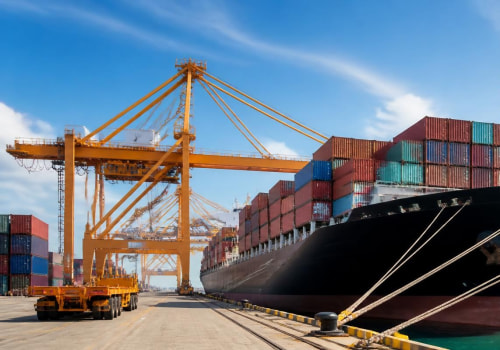
Cargo shipping is a vital component of the global economy, serving as the backbone for international trade. It involves the transportation of goods and commodities from one location to another, typically across vast distances, using various modes of transport such as ships, trucks, and trains. The significance of cargo shipping cannot be overstated; it facilitates the movement of products that consumers rely on daily, from electronics and clothing to food and raw materials. At its core, cargo shipping is defined as the process of moving goods in bulk or in containers, ensuring they reach their destination safely and efficiently. This process encompasses a range of activities including loading, transporting, unloading, and sometimes storing goods.
The logistics involved in cargo shipping are complex and require careful planning and coordination to manage schedules, routes, and regulations across different countries. Understanding cargo shipping is essential for anyone interested in global commerce. It not only highlights how products are delivered to markets but also sheds light on the intricate networks that connect producers and consumers worldwide. As trade continues to expand, the role of cargo shipping becomes increasingly significant, making it a topic worth exploring for those looking to grasp the dynamics of modern trade.
Types of Cargo Shipping
Cargo shipping encompasses a variety of methods tailored to meet the diverse needs of transporting goods across the globe. Understanding the different types of cargo shipping is essential for businesses and individuals looking to optimize their logistics and supply chain operations.Container Shipping
Container shipping is one of the most common methods used in the industry today.This method involves transporting goods in standardized containers, which can be easily loaded onto ships, trucks, or trains. The advantages of container shipping include:
- Efficiency: Containers can be quickly loaded and unloaded, reducing turnaround times.
- Security: Goods are protected from damage and theft during transit.
- Versatility: Suitable for a wide range of products, from electronics to clothing.
Bulk Shipping
Bulk shipping refers to the transportation of large quantities of unpackaged goods. This method is typically used for commodities such as oil, coal, grain, and minerals. Key characteristics of bulk shipping include:- Cost-effectiveness: Transporting large volumes reduces the cost per unit.
- Specialized vessels: Bulk carriers are designed specifically for this type of cargo, ensuring safe and efficient transport.
- Loading and unloading: Requires specialized equipment to handle the bulk materials.
Breakbulk Shipping
Breakbulk shipping, also known as general cargo shipping, involves transporting goods that are not contained within standardized containers.This method is often used for oversized or heavy items such as machinery, vehicles, and construction materials. Important aspects include:
- Flexibility: Can accommodate a wide variety of cargo types that do not fit standard containers.
- Handling requirements: Often requires more labor-intensive loading and unloading processes.
- Specialized transport: May involve flatbed trucks or specialized ships designed for heavy loads.
The Cargo Shipping Process
The cargo shipping process is a complex series of steps that ensures goods are transported efficiently from one location to another. Understanding how cargo shipping works is essential for businesses and individuals looking to move products internationally or domestically.Below, we outline the key steps involved in the cargo shipping process.
- Booking the Shipment: The first step in the cargo shipping process is to book your shipment with a freight forwarder or shipping company. This involves providing details about the cargo, including its dimensions, weight, and destination.
- Documentation: Proper documentation is crucial in cargo shipping. This includes preparing a bill of lading, commercial invoice, and any necessary customs paperwork. These documents ensure that your cargo complies with international shipping regulations.
- Packing and Labeling: Once the documentation is ready, the cargo must be packed securely to prevent damage during transit.
Each package should be labeled clearly with handling instructions and destination information.
- Transportation to Port: After packing, the cargo is transported to the port of departure. This may involve additional logistics, such as trucking or rail transport, depending on the location of the shipper.
- Customs Clearance: Before the cargo can be loaded onto a vessel, it must clear customs. This step involves submitting all required documents and paying any applicable duties or taxes.
- Loading onto Vessel: Once cleared, the cargo is loaded onto the ship. This process requires careful planning to ensure that weight distribution is balanced and that cargo is secured properly.
- Transit: During transit, the cargo is monitored for any potential issues.
Shipping companies often provide tracking services so shippers can stay updated on their shipment's status.
- Arrival and Unloading: Upon arrival at the destination port, the cargo is unloaded from the vessel. This step also requires customs clearance at the destination country before it can be released to the consignee.
- Final Delivery: The last step in the cargo shipping process is delivering the cargo to its final destination. This may involve additional transportation methods such as trucking or rail services.
Key Players in Cargo Shipping
The cargo shipping industry is a complex ecosystem involving various key players, each playing a crucial role in ensuring the smooth transportation of goods across the globe. Understanding these stakeholders is essential for anyone looking to engage with the industry.- Carriers: These are the companies that own and operate the vessels or trucks used for transporting cargo.
Major shipping lines like Maersk, MSC, and CMA CGM are examples of ocean carriers that dominate the maritime segment of cargo shipping. They are responsible for the physical movement of goods and often provide various services, including container leasing and logistics support.
- Freight Forwarders: Acting as intermediaries, freight forwarders facilitate the movement of goods on behalf of shippers. They handle various logistics tasks such as booking cargo space, preparing shipping documents, and arranging for customs clearance. Companies like DHL Global Forwarding and Kuehne + Nagel are prominent players in this sector, providing expertise that helps streamline the shipping process.
- Shippers: These are individuals or businesses that need to transport goods.
Shippers can range from manufacturers to retailers who rely on cargo shipping to deliver their products to customers. Understanding their needs is vital for both carriers and freight forwarders to provide tailored solutions.
- Customs Brokers: These professionals ensure that shipments comply with all regulations and laws governing international trade. They play a critical role in facilitating smooth customs clearance, which is essential for timely delivery. Their expertise helps shippers avoid delays and penalties associated with non-compliance.
- Logistics Providers: Beyond just transportation, logistics providers offer comprehensive services that include warehousing, inventory management, and distribution.
Companies like XPO Logistics and DB Schenker exemplify this category, providing integrated solutions that enhance supply chain efficiency.
Cost Factors in Cargo Shipping
Understanding the cost factors in cargo shipping is essential for businesses looking to manage their logistics budgets effectively. Several key elements influence the overall pricing of cargo shipping, and being aware of these can help companies make informed decisions.- Distance: The distance between the origin and destination plays a significant role in determining shipping costs. Longer distances typically incur higher transportation fees due to increased fuel consumption and time.
- Weight and Volume: The weight and volume of the cargo are critical factors.
Heavier and bulkier shipments often lead to higher costs, as they require more resources for handling and transportation. Shipping companies often use a pricing model based on either weight or dimensional weight, whichever is greater.
- Type of Goods: The nature of the goods being shipped can also affect pricing. Perishable items, hazardous materials, or fragile products may require special handling or expedited shipping, which can increase costs significantly.
- Shipping Method: Different shipping methods—such as air freight, sea freight, or ground transportation—come with varying price points. Air freight is generally faster but more expensive than sea freight, making it crucial to choose the right method based on urgency and budget.
- Insurance and Additional Fees: Many businesses opt for cargo insurance to protect against loss or damage during transit.
This adds an extra layer of cost. Additionally, there may be customs duties, port fees, and other surcharges that can impact the final price.
Challenges in Cargo Shipping
Cargo shipping is a vital component of global trade, but it is not without its challenges. Understanding these challenges in cargo shipping is essential for businesses and stakeholders involved in the transport of goods.One of the most significant issues faced in cargo transport is delays.These can arise from various factors, including:
- Weather conditions: Severe weather can disrupt shipping schedules, leading to late arrivals.
- Port congestion: High traffic at ports can cause bottlenecks, delaying the unloading and loading of cargo.
- Customs clearance: Regulatory hurdles and paperwork can slow down the process, especially when dealing with international shipments.
- Poor handling: Inadequate loading and unloading practices can lead to physical damage.
- Pest infestations: Certain types of cargo are vulnerable to pests, which can compromise the integrity of the shipment.
- Theft: Cargo theft remains a persistent issue, particularly in high-risk areas.
- Import/export restrictions: Different countries have varying regulations that can affect shipping routes and costs.
- Safety standards: Adhering to safety protocols is essential to prevent accidents and ensure the safe transport of hazardous materials.
By understanding potential delays, damage risks, and regulatory hurdles, businesses can better prepare and mitigate these issues, ensuring smoother operations and safeguarding their shipments.
Future Trends in Cargo Shipping
The future of cargo shipping is being shaped by a variety of innovative trends and technologies that promise to enhance efficiency, reduce costs, and improve sustainability. As global trade continues to expand, the logistics and transportation sectors are adapting to meet new challenges and opportunities.Automation and Digitalization
One of the most significant trends in cargo shipping is the rise of automation and digitalization. Technologies such as Internet of Things (IoT), artificial intelligence (AI), and blockchain are revolutionizing how cargo is tracked and managed. For instance, IoT devices can provide real-time data on cargo conditions, while AI algorithms can optimize shipping routes, reducing transit times and fuel consumption.Sustainability Initiatives
As environmental concerns grow, the industry is increasingly focusing on sustainability.Shipping companies are investing in green technologies, such as alternative fuels (like LNG and hydrogen) and energy-efficient vessels. These initiatives not only help reduce carbon footprints but also align with global regulations aimed at minimizing environmental impact.
Enhanced Supply Chain Visibility
Another emerging trend is the demand for enhanced supply chain visibility. Businesses are seeking more transparency in their logistics operations to better manage risks and respond to disruptions. Advanced tracking systems and data analytics tools enable companies to monitor shipments in real-time, ensuring timely deliveries and improving customer satisfaction.Collaboration and Partnerships
The future of cargo shipping will also see increased collaboration among stakeholders.Shipping lines, freight forwarders, and technology providers are forming partnerships to create integrated solutions that streamline operations. This collaborative approach can lead to cost savings and improved service levels across the supply chain.In conclusion, staying abreast of these trends in logistics and transportation is crucial for businesses aiming to remain competitive in the evolving landscape of cargo shipping. Embracing innovation will not only enhance operational efficiency but also position companies favorably in a rapidly changing market.
FAQs About Cargo Shipping
Cargo shipping is a vital component of global trade, and many people have questions about how it works. Here are some frequently asked questions regarding cargo shipping:- What is cargo shipping?
Cargo shipping refers to the transportation of goods and materials via various modes, including ships, trucks, and trains.It plays a crucial role in moving products from manufacturers to consumers across the globe.
- What types of cargo can be shipped?
Cargo shipping can accommodate a wide range of items, including:- Raw materials (e.g., metals, wood)
- Consumer goods (e.g., electronics, clothing)
- Perishable items (e.g., food products)
- Heavy machinery and equipment
- How is cargo shipping priced?
The cost of cargo shipping depends on several factors:- Weight and volume of the cargo
- Shipping distance
- Type of transport (air, sea, land)
- Insurance and handling fees
- What is the difference between FCL and LCL?
FCL (Full Container Load) means that a single shipper is using an entire container for their goods, while LCL (Less than Container Load) involves multiple shippers sharing a container. FCL is often more cost-effective for larger shipments. - How long does cargo shipping take?
Shipping times vary based on the mode of transport and distance. For example, air freight is typically faster than sea freight. On average, international sea shipments can take anywhere from 10 days to several weeks.
Conclusion: The Importance of Understanding Cargo Shipping
In conclusion, understanding cargo shipping is essential for both businesses and individuals who engage in the global marketplace.Throughout this article, we have explored the various facets of cargo shipping, including its definition, types, and the critical role it plays in international trade.As we have seen, cargo shipping is not merely a logistical necessity; it is a vital component that drives economic growth and connects markets across the globe. Here are some key takeaways:
- Types of Cargo: Recognizing the different types of cargo—such as bulk, breakbulk, and containerized goods—helps businesses choose the most efficient shipping methods.
- Shipping Methods: Understanding various shipping methods, including air freight and ocean freight, allows for better decision-making based on cost, speed, and reliability.
- Regulatory Compliance: Familiarity with international shipping regulations ensures that shipments are compliant with legal requirements, reducing the risk of delays or fines.
- Cost Management: Knowledge of factors affecting shipping costs can help businesses optimize their budgets and improve profit margins.