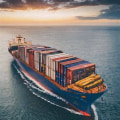
Cargo shipping plays a pivotal role in the global economy, serving as the backbone of international trade. With over 90% of the world’s goods transported by sea, the shipping industry is essential for connecting producers and consumers across vast distances. From raw materials to finished products, cargo ships facilitate the movement of goods that fuel economies and support livelihoods worldwide. However, while the benefits of cargo shipping are undeniable, it is crucial to recognize the environmental impacts associated with this mode of transportation. The shipping industry is a significant contributor to greenhouse gas emissions, air pollution, and marine ecosystem degradation.
As global trade continues to expand, understanding these environmental challenges becomes increasingly important for policymakers, businesses, and consumers alike. This article will delve into the various environmental impacts of cargo shipping, exploring how this essential industry can balance its economic contributions with sustainable practices. By examining the current state of the shipping industry and its ecological footprint, we aim to shed light on potential solutions that can mitigate harm while maintaining the flow of goods that our modern world relies upon.
Overview of Cargo Shipping Operations
Cargo shipping is a vital component of global trade, facilitating the movement of goods across vast distances. Understanding how cargo shipping works requires an overview of the various operations involved, including the types of vessels used and the logistics that underpin this extensive industry.At its core, cargo shipping involves transporting goods via specialized vessels designed to carry different types of cargo. The primary types of vessels include:- Container ships: These are the most common type of cargo vessel, designed to carry standardized containers that can be easily loaded and unloaded at ports.
- Bulk carriers: These ships transport unpackaged bulk cargo, such as grains, coal, and minerals, directly in their holds.
- Tankers: Used for transporting liquids, tankers carry everything from crude oil to chemicals.
- Roll-on/roll-off (RoRo) ships: These vessels are designed for transporting vehicles and other wheeled cargo that can be driven on and off the ship.
- Planning and scheduling: Shipping companies must carefully plan routes and schedules to optimize efficiency and minimize costs.
- Loading and unloading: Efficient loading and unloading processes at ports are crucial for reducing turnaround times and ensuring timely deliveries.
- Customs clearance: Navigating customs regulations is essential for international shipping, requiring proper documentation and compliance with local laws.
- Transportation to final destination: Once goods are unloaded, they often require further transportation via trucks or trains to reach their final destination.
This sector not only supports international trade but also plays a significant role in the economy by providing jobs and facilitating commerce. As global demand for goods continues to rise, understanding the intricacies of cargo shipping operations becomes increasingly important for businesses and consumers alike.
Air Pollution from Cargo Shipping
Cargo shipping is a significant contributor to air pollution, primarily due to the emissions produced by large vessels that traverse the world's oceans. These ships are powered by heavy fuel oil, which releases a variety of harmful pollutants into the atmosphere.Types of Air Pollutants
- Sulfur Dioxide (SO2): This gas is a major byproduct of burning heavy fuel oil and contributes to acid rain, which can harm ecosystems and human health.
- Nitrogen Oxides (NOx): Emitted during combustion, NOx gases contribute to the formation of ground-level ozone, a key component of smog that can exacerbate respiratory issues.
- Particulate Matter (PM): These tiny particles can penetrate deep into the lungs and are linked to various health problems, including heart disease and lung cancer.
- Carbon Dioxide (CO2): As a greenhouse gas, CO2 emissions from cargo shipping significantly contribute to global warming and climate change.
Sources of Emissions
The primary sources of these emissions include:
- Main engines: The engines that propel cargo ships are the largest source of air pollutants.
- Auxiliary engines: Used for power generation while in port or at anchor, these engines also contribute to air pollution.
- Fuel quality: The type of fuel used plays a crucial role in determining the level of emissions; lower sulfur fuels can significantly reduce SO2 emissions.
Communities near busy shipping lanes often experience higher rates of respiratory illnesses and other health issues linked to poor air quality. As awareness grows regarding these impacts, there is an increasing push for cleaner technologies and stricter regulations in the shipping industry.
Water Pollution and Marine Ecosystems
Cargo shipping plays a significant role in global trade, but it also poses serious threats to our oceans and marine ecosystems. One of the most alarming issues is water pollution, which can arise from various sources associated with shipping activities.Oil Spills
- Oil spills are among the most catastrophic events linked to cargo shipping. When tankers leak or collide, they can release thousands of gallons of oil into the ocean, leading to devastating effects on marine life.
- The oil coats the feathers of birds, reducing their ability to insulate and causing hypothermia.
It also affects fish and marine mammals, disrupting their reproductive systems and leading to long-term population declines.
Ballast Water Discharge
- Cargo ships often take on ballast water to maintain stability. This water can contain a mix of invasive species, pathogens, and pollutants.
- When discharged in new locations, these organisms can disrupt local ecosystems, outcompeting native species and altering food webs.
Other Contaminants
- In addition to oil and ballast water, cargo ships can introduce heavy metals, plastics, and other hazardous materials into the ocean.
- These contaminants can accumulate in the food chain, posing risks not only to marine life but also to human health through seafood consumption.
Impact on Marine Biodiversity
The impact of cargo shipping on marine biodiversity is profound and multifaceted, primarily through habitat destruction and the introduction of invasive species. As ships traverse the oceans, they can inadvertently damage delicate marine ecosystems, such as coral reefs and seagrass beds, which serve as critical habitats for numerous marine species.One of the most significant threats posed by cargo shipping is the potential for species extinction.The disruption of habitats can lead to a decline in native species populations, making them more vulnerable to extinction. For instance, when shipping lanes cut through vital breeding grounds, fish populations may dwindle, affecting not only the species themselves but also the larger food web that relies on them.
Invasive Species Introduction
Another critical issue is the introduction of invasive species through ballast water taken on by ships in one region and discharged in another. This practice can lead to the establishment of non-native species that outcompete local flora and fauna for resources. For example, the introduction of zebra mussels in North America has caused significant ecological and economic damage, showcasing how a single invasive species can disrupt entire ecosystems.- Habitat Destruction: Cargo ships can physically damage marine habitats during transit.
- Species Extinction: Disruption of breeding grounds leads to declining populations.
- Invasive Species: Ballast water transfers non-native species to new environments.
Protecting marine biodiversity requires stringent regulations on cargo shipping, including better management of ballast water and shipping routes to minimize ecological disruption.
Noise Pollution from Shipping Activities
Cargo shipping is a vital component of global trade, but it also contributes significantly to noise pollution in marine environments. The sounds generated by large vessels, including engines, propellers, and onboard machinery, create a cacophony that can disrupt the natural acoustic landscape of the oceans.Underwater noise pollution has been shown to have profound effects on marine life. Many species of fish and marine mammals rely on sound for communication, navigation, and hunting. For instance, whales use echolocation to find food and communicate with one another over vast distances.The introduction of persistent background noise from cargo ships can mask these critical sounds, leading to disorientation and stress among these animals.Research indicates that increased noise levels can alter the behavior of marine species. For example:
- Disruption of Communication: Marine animals may struggle to hear each other, which can affect mating calls and social interactions.
- Altered Migration Patterns: Some species may change their migratory routes to avoid noisy shipping lanes, potentially leading to population declines.
- Increased Stress Levels: Prolonged exposure to loud noises can lead to heightened stress responses in marine animals, affecting their health and reproductive success.
Addressing these issues is vital for the preservation of oceanic ecosystems and the species that inhabit them.
Regulatory Framework and Environmental Standards in Shipping
The environmental impacts of cargo shipping have prompted the establishment of various regulations aimed at mitigating these effects. The International Maritime Organization (IMO) plays a crucial role in setting these standards, particularly through its MARPOL Convention, which addresses pollution from ships.MARPOL
, short for the International Convention for the Prevention of Pollution from Ships, is a comprehensive framework that targets different types of marine pollution, including oil spills, sewage discharge, and hazardous cargo residues. It consists of several annexes that outline specific regulations:
- Annex I: Prevention of pollution by oil
- Annex II: Control of pollution by noxious liquid substances
- Annex III: Prevention of pollution by harmful substances carried by sea in packaged form
- Annex IV: Prevention of pollution by sewage from ships
- Annex V: Prevention of pollution by garbage from ships
- Annex VI: Prevention of air pollution from ships
Many vessels still operate under older standards, and enforcement can be challenging due to the vastness of international waters. Furthermore, some countries may lack the resources or political will to enforce these regulations effectively.To enhance compliance and environmental protection, there is a growing call for stricter regulations and more robust enforcement mechanisms. The shipping industry is also exploring innovative technologies, such as alternative fuels and advanced hull designs, to further reduce its environmental footprint.In conclusion, while existing regulations like MARPOL and initiatives from the IMO are essential steps toward mitigating the environmental impacts of cargo shipping, ongoing efforts are necessary to ensure their effectiveness and adapt to emerging challenges in maritime sustainability.
Innovations and Sustainable Practices in Cargo Shipping
The cargo shipping industry is undergoing a significant transformation as it seeks to mitigate its environmental impact through innovations and sustainable practices. With increasing pressure from regulatory bodies and consumers alike, companies are investing in green technology to create a more eco-friendly shipping environment.One of the most promising developments is the adoption of alternative fuels.Traditional marine fuels, such as heavy fuel oil, are notorious for their high emissions of sulfur oxides and greenhouse gases. In response, many shipping companies are exploring options like liquefied natural gas (LNG), which produces significantly lower emissions. Additionally, biofuels derived from renewable sources are gaining traction as a viable alternative.
Energy-efficient technologies
are also playing a crucial role in reducing the carbon footprint of cargo shipping. Innovations such as air lubrication systems, which create a layer of bubbles beneath the hull to reduce drag, can lead to substantial fuel savings.
Furthermore, the integration of wind-assisted propulsion, including sails and kites, is being tested to harness natural wind energy, thereby decreasing reliance on fossil fuels.Another exciting trend is the development of eco-friendly ships. These vessels are designed with sustainability in mind, featuring advanced hull designs that improve hydrodynamics and reduce fuel consumption. Some new ships are even equipped with solar panels and energy storage systems to utilize renewable energy sources effectively.Moreover, the implementation of digital technologies, such as big data analytics and IoT (Internet of Things), allows for better route optimization and fuel management. By analyzing data in real-time, shipping companies can make informed decisions that minimize fuel usage and emissions during transit.In conclusion, the cargo shipping industry is at a pivotal point where embracing sustainable practices and innovative technologies is not just beneficial but essential for its future.
As these advancements continue to evolve, they promise to significantly reduce the environmental impacts associated with cargo shipping.
Future Trends in Cargo Shipping and Environmental Impact Mitigation
The future of cargo shipping is increasingly intertwined with sustainability, as the industry faces mounting pressure to reduce its environmental footprint. Emerging trends indicate a significant shift towards greener practices and technologies that aim to mitigate the adverse impacts of shipping on the environment.Innovative Technologies
- Alternative Fuels: The adoption of alternative fuels such as hydrogen, biofuels, and LNG (liquefied natural gas) is gaining traction. These fuels produce fewer emissions compared to traditional heavy fuel oil, contributing to cleaner air and reduced greenhouse gas emissions.
- Energy Efficiency: Advances in ship design and technology, including hull modifications and energy-saving devices, are enhancing the energy efficiency of vessels. This not only lowers fuel consumption but also minimizes operational costs.
- Automation and Digitalization: The integration of automation and digital technologies in cargo shipping operations can optimize routes and improve logistics management.
This leads to reduced fuel usage and lower emissions by minimizing unnecessary travel distances.
Environmental Impact Mitigation Strategies
- Regulatory Compliance: Stricter regulations from international bodies like the International Maritime Organization (IMO) are pushing shipping companies to adopt more sustainable practices. Compliance with these regulations often involves investing in cleaner technologies.
- Carbon Offsetting: Many shipping companies are now investing in carbon offset programs to balance out their emissions. This includes funding renewable energy projects or reforestation efforts that help absorb CO2 from the atmosphere.
- Sustainable Supply Chains: The concept of green logistics is becoming more prevalent, where companies are focusing on creating sustainable supply chains that prioritize eco-friendly practices throughout the entire shipping process.
Conclusion: The Path Forward for Sustainable Cargo Shipping
As we conclude our exploration of the environmental impacts of cargo shipping, it is clear that the industry faces significant challenges that require immediate and sustained action.The reliance on fossil fuels, the emission of greenhouse gases, and the potential for marine pollution are pressing issues that cannot be ignored. However, there is a path forward that emphasizes sustainability and innovation.To mitigate these impacts, the cargo shipping industry must adopt a multifaceted approach:
- Investment in Cleaner Technologies: Transitioning to alternative fuels, such as LNG or hydrogen, can significantly reduce emissions. Additionally, implementing energy-efficient technologies like wind-assisted propulsion can help lower fuel consumption.
- Regulatory Compliance: Adhering to international regulations, such as those set by the International Maritime Organization (IMO), is crucial. These regulations aim to limit sulfur emissions and promote cleaner operations.
- Enhanced Operational Practices: Optimizing shipping routes and improving logistics can lead to reduced fuel usage.
Utilizing data analytics for route planning can minimize travel distances and times.
- Collaboration Across the Industry: Stakeholders, including shipping companies, port authorities, and governments, must work together to create a unified approach to sustainability. Sharing best practices and innovations can accelerate progress.
- Consumer Awareness: Educating consumers about the environmental impacts of cargo shipping can drive demand for more sustainable practices. As consumers prioritize eco-friendly options, companies will be incentivized to adopt greener methods.
The journey towards greener shipping is not just an option; it is an imperative for the health of our planet and future generations.