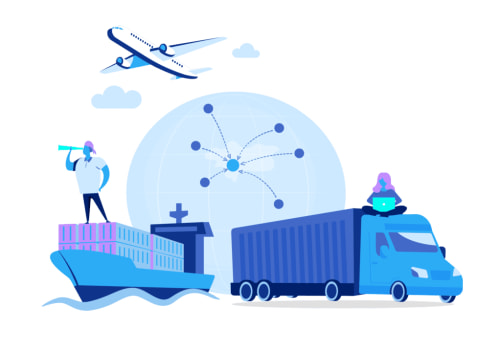
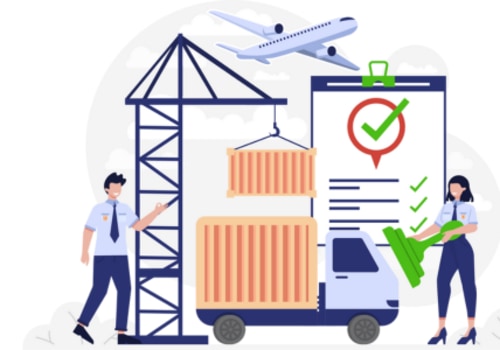
Cargo shipping plays a pivotal role in the global economy, serving as the backbone of international trade. As businesses expand their reach across borders, the demand for efficient and reliable shipping methods has never been greater. Understanding the various shipping methods available is essential for companies looking to optimize their logistics and ensure timely delivery of goods. At its core, cargo shipping involves the transportation of goods from one location to another, whether by land, sea, or air. Among the most common methods are door-to-door and port-to-port services, each offering distinct advantages depending on the needs of the shipper.
Door-to-door shipping provides a comprehensive solution that includes pickup from the sender's location and delivery to the recipient's doorstep, making it an attractive option for businesses that prioritize convenience and customer satisfaction. On the other hand, port-to-port shipping focuses on transporting cargo between two ports, which can be more cost-effective for larger shipments or when dealing with bulk goods. This method requires additional logistics management on the part of the shipper to handle transportation to and from the ports, but it can offer significant savings in certain scenarios. As we delve deeper into these two types of cargo shipping services, it becomes clear that understanding their differences is crucial for making informed decisions in logistics planning.
What is Door-to-Door Cargo Shipping?
Door-to-door cargo shipping is a comprehensive logistics service that facilitates the transportation of goods directly from the sender's location to the recipient's address. This method streamlines the shipping process by eliminating the need for multiple handling points, making it an attractive option for both businesses and individuals.In a typical door-to-door shipping scenario, the logistics provider manages every aspect of the shipment.This includes:
- Pickup: The service begins with the collection of goods from the sender's premises.
- Transportation: The cargo is then transported via various modes, such as truck, ship, or air, depending on the distance and urgency.
- Customs Clearance: If shipping internationally, the provider handles all necessary customs documentation and clearance.
- Delivery: Finally, the goods are delivered directly to the recipient's specified address.
- Convenience: Customers enjoy a hassle-free experience as they do not need to worry about logistics or transportation arrangements.
- Time-Saving: With a single point of contact managing the entire process, shipments can be coordinated more efficiently.
- Cost-Effective: Although it may seem more expensive upfront, the reduction in handling and potential delays can lead to overall savings.
- Tracking and Transparency: Most door-to-door services offer tracking options, allowing customers to monitor their shipment in real-time.
What is Port-to-Port Cargo Shipping?
Port-to-port cargo shipping refers to a method of transporting goods where the shipment is moved from one port to another, without any additional services such as pickup or delivery at the final destination. This approach is commonly used in international trade, where goods are loaded onto a vessel at the origin port and unloaded at the destination port.The process of port-to-port shipping typically involves several key steps:- Booking: The shipper books space on a vessel through a freight forwarder or shipping line.
- Documentation: Necessary paperwork, including bills of lading and customs declarations, is prepared.
- Loading: Goods are transported to the origin port and loaded onto the vessel.
- Transit: The vessel sails to the destination port, where it may take several days or weeks depending on the distance and route.
- Unloading: Upon arrival, goods are unloaded from the vessel and made available for pickup by the consignee.
It also simplifies logistics for shippers who have established relationships with local transport companies for final delivery from the destination port.In summary, port-to-port cargo shipping is a straightforward and economical option for transporting goods internationally, making it a popular choice among businesses engaged in global trade.
Key Differences Between Door-to-Door and Port-to-Port Shipping
When considering cargo shipping options, understanding the key differences between door-to-door and port-to-port shipping is essential for making an informed decision. Each method has its unique advantages and disadvantages that can significantly impact your shipping experience.Cost
Generally, door-to-door shipping tends to be more expensive than port-to-port shipping. This is primarily due to the added services involved, such as pickup and delivery at your specified locations. In contrast, port-to-port shipping may offer a more economical option since it involves fewer logistical steps, but it requires you to handle transportation to and from the ports.Convenience
Door-to-door shipping provides a higher level of convenience as it eliminates the need for you to travel to a port.The shipping company manages the entire process, from pickup at your location to delivery at the final destination. On the other hand, port-to-port shipping requires you to arrange for transportation to the port for both sending and receiving goods, which can be time-consuming and cumbersome.
Speed
The speed of delivery can vary significantly between the two methods. While door-to-door shipping may take longer due to additional handling and logistics, it often provides a more streamlined experience once the cargo is in transit. Conversely, port-to-port shipping might be faster in terms of transit time across water but can lead to delays if you factor in the time needed for port handling and customs clearance.Tracking
Door-to-door services typically offer comprehensive tracking options that allow you to monitor your shipment throughout its journey.This level of visibility can provide peace of mind. In contrast, while many port-to-port services also offer tracking, it may not be as detailed or user-friendly, making it harder to stay updated on your cargo's status.In summary, choosing between door-to-door and port-to-port cargo shipping depends on your specific needs regarding cost, convenience, speed, and tracking capabilities. Understanding these differences will help you select the most suitable option for your shipping requirements.
When to Choose Door-to-Door Shipping
Choosing door-to-door shipping can be a strategic decision based on various factors, particularly when convenience and efficiency are paramount. Here are some specific scenarios where this shipping method shines:- Time-Sensitive Deliveries: If you have goods that need to reach their destination quickly, door-to-door shipping minimizes delays.
The entire process is streamlined, as the logistics provider handles all aspects from pickup to delivery.
- Complex Logistics: For shipments that require multiple handling points or involve complicated logistics, door-to-door services simplify the process. This is especially beneficial for businesses that lack the resources to manage these complexities.
- High-Value Items: When shipping valuable or fragile items, door-to-door shipping offers enhanced security and care. The items are monitored throughout the journey, reducing the risk of damage or loss.
- International Shipping: For international shipments, door-to-door services can handle customs clearance and other regulatory requirements, making it easier for businesses to navigate international trade.
- Comprehensive Service: Door-to-door shipping encompasses all logistics, including pickup, transportation, and final delivery.
This all-in-one service reduces the need for multiple vendors.
- Simplified Tracking: With a single provider managing the entire shipment, tracking becomes more straightforward. Customers can easily monitor their cargo's status from origin to destination.
- Cost-Effectiveness: While door-to-door may seem pricier upfront, it can save money in the long run by reducing hidden costs associated with managing multiple transport methods.
When to Choose Port-to-Port Shipping
Choosing port-to-port cargo shipping can be a strategic decision based on various factors, including the nature of the cargo, budget constraints, and logistical requirements. Here are some scenarios where this method shines:- Cost Efficiency: If you are shipping large volumes of goods, port-to-port shipping often proves to be more economical.
This method minimizes handling costs and allows for bulk transport, making it ideal for businesses looking to save on shipping expenses.
- Standardized Cargo: Port-to-port is particularly advantageous for standardized cargo such as containers filled with manufactured goods, electronics, or raw materials. These items typically fit well within the shipping schedules and capacities of major ports.
- Long-Distance Shipping: For international shipments where the origin and destination are both near major ports, port-to-port shipping is often the most practical choice. It allows for direct transport across oceans without the need for additional land transport.
- Faster Transit Times: Since cargo is transported directly between ports, transit times can be significantly reduced compared to door-to-door services that involve multiple handling stages.
- Less Risk of Damage: With fewer transfers and handling points, the risk of damage to cargo is minimized. This is particularly important for fragile or high-value items.
- Streamlined Customs Processes: Port-to-port shipping often benefits from established customs procedures at major ports, which can expedite clearance times and reduce delays.
By understanding these scenarios and advantages, shippers can make informed decisions that align with their logistical goals.
Cost Considerations in Cargo Shipping
When considering cargo shipping, understanding the cost implications of both door-to-door and port-to-port services is crucial for making informed financial decisions. Each method has its own pricing structure influenced by various factors.Cost Factors in Cargo Shipping
- Distance: The distance between the origin and destination plays a significant role in determining shipping costs. Longer distances typically incur higher fees due to increased fuel consumption and time.
- Service Type: Door-to-door shipping generally costs more than port-to-port because it includes additional services such as pickup and delivery, handling, and customs clearance.
- Volume and Weight: The size and weight of the cargo directly affect pricing. Heavier and bulkier shipments may require specialized equipment or additional handling, leading to increased costs.
- Insurance: Depending on the value of the goods being shipped, insurance can add a significant cost.
Door-to-door services often include insurance options that can further impact the overall price.
- Seasonality: Shipping rates can fluctuate based on seasonal demand. During peak seasons, such as holidays, prices may rise due to increased demand for cargo space.
Budget Considerations
When planning your budget for cargo shipping, it’s essential to evaluate not just the base rates but also any potential hidden fees associated with each service type. For instance, while port-to-port might seem cheaper initially, additional costs for transportation from the port to the final destination can add up quickly.In contrast, while door-to-door services may appear more expensive upfront, they often provide a comprehensive solution that saves time and effort, potentially offsetting other logistical costs. Therefore, it’s advisable to obtain detailed quotes from multiple providers and compare what is included in each service to ensure you are making a cost-effective choice.Ultimately, understanding these cost considerations will empower you to choose the most suitable shipping method that aligns with your budgetary constraints while meeting your logistical needs.FAQs About Cargo Shipping Methods
When considering cargo shipping methods, many people have questions about the differences between door-to-door and port-to-port services.Here are some frequently asked questions that can help clarify these concepts:
What is door-to-door cargo shipping?
Door-to-door cargo shipping refers to a service where the shipping company takes care of the entire process from the sender's location to the recipient's address. This includes:- Pickup of goods from the sender's premises
- Transportation to the port
- Customs clearance
- Delivery to the final destination
What is port-to-port cargo shipping?
Port-to-port cargo shipping, on the other hand, involves transporting goods only between two ports. The sender is responsible for delivering the cargo to the departure port, and the recipient must arrange for pickup at the arrival port. Key points include:- No pickup or delivery services included
- Typically lower costs compared to door-to-door services
- More control over logistics for businesses with established supply chains
Which method is more cost-effective?
The cost-effectiveness of each method depends on various factors, including:- The distance between locations
- The volume and weight of goods being shipped
- The need for additional services like packing or customs handling
Are there any limitations with these methods?
Yes, both methods have their limitations:- Door-to-door: May be more expensive and not available in all regions.
- Port-to-port: Requires more involvement from the shipper and receiver, which can complicate logistics.
Conclusion: Choosing the Right Cargo Shipping Method for Your Needs
In conclusion, understanding the differences between door-to-door and port-to-port cargo shipping is crucial for making informed decisions that align with your specific shipping needs.Each method offers distinct advantages and considerations that can significantly impact your logistics strategy.
Door-to-door shipping
provides a comprehensive service that includes pickup from the sender's location and delivery to the recipient's doorstep. This method is particularly beneficial for businesses or individuals who prefer a hassle-free experience, as it minimizes the need for coordination and reduces the risk of delays. However, it may come at a higher cost due to the added convenience.On the other hand, port-to-port shipping is often more economical and suitable for those who have the capability to manage transportation to and from ports. This method requires more involvement from the shipper and receiver, including handling customs clearance and arranging local transport.
It is ideal for larger shipments where cost savings are a priority.
- Evaluate Your Needs: Consider factors such as shipment size, budget, and timeline when choosing between these methods.
- Cost vs. Convenience: Weigh the benefits of convenience against potential cost savings.
- Service Availability: Ensure that your chosen shipping method is available in your area and meets your logistical requirements.