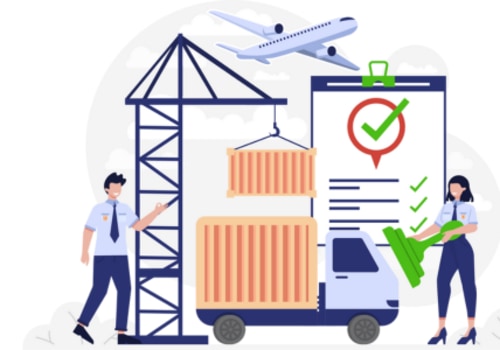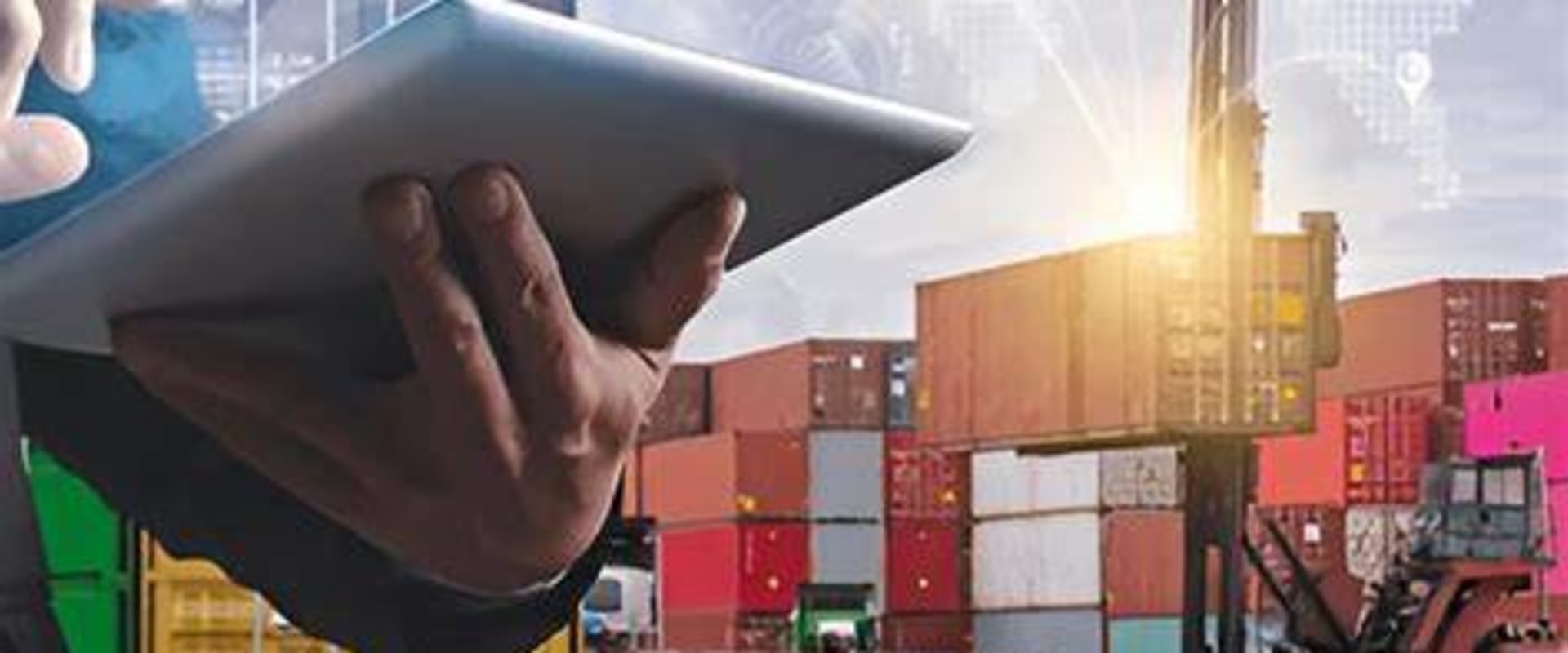
Cargo shipping is a vital component of global trade, facilitating the movement of goods across vast distances. It encompasses a variety of methods and modes, each tailored to meet specific logistical needs. At its core, cargo shipping refers to the transportation of goods, whether by land, sea, or air, ensuring that products reach their destinations efficiently and safely. Understanding the nuances of cargo shipping is essential for businesses and individuals alike, as it impacts everything from supply chain management to cost efficiency. There are several types of cargo shipping, each suited for different kinds of goods and shipping requirements.
For instance, container shipping is one of the most common methods, where goods are packed into standardized containers for easy handling and transport. This method is particularly advantageous for international trade, as it simplifies loading and unloading processes at ports. On the other hand, bulk shipping is used for transporting large quantities of unpackaged commodities like oil, grain, or coal. Each type has its own set of regulations and best practices that shippers must adhere to in order to ensure compliance and safety. Moreover, advancements in technology have revolutionized the way we approach cargo shipping.
With real-time tracking systems now available, shippers can monitor their shipments at every stage of the journey. This not only enhances transparency but also allows for better planning and response strategies in case of delays or issues. As we delve deeper into the world of cargo shipping, understanding these foundational elements will equip you with the knowledge needed to navigate this complex yet fascinating industry.
The Importance of Real-Time Tracking in Cargo Shipping
In the world of cargo shipping, the ability to track shipments in real-time has become a game-changer. The importance of real-time tracking cannot be overstated, as it offers numerous benefits that enhance both operational efficiency and customer satisfaction.Improved Transparency
is one of the primary advantages of real-time tracking.Shippers and customers alike can access up-to-date information about their cargo's location and status at any given moment. This transparency helps build trust between shipping companies and their clients, as customers feel more informed and involved in the shipping process. Moreover, real-time tracking significantly contributes to customer satisfaction. When clients can monitor their shipments, they are less likely to experience anxiety or uncertainty about delivery times. This capability allows businesses to provide accurate delivery estimates, which can lead to enhanced customer loyalty and repeat business. Another critical benefit is operational efficiency.
With real-time tracking, shipping companies can quickly identify delays or issues in the supply chain. This immediate awareness enables them to take corrective actions promptly, minimizing disruptions and optimizing routes. As a result, companies can reduce costs associated with delays and improve overall service quality. Additionally, real-time tracking facilitates better inventory management. Businesses can align their inventory levels with shipment statuses, ensuring they have the right amount of stock on hand when needed.
This synchronization helps prevent overstocking or stockouts, ultimately leading to a more streamlined operation. In conclusion, the integration of real-time tracking in cargo shipping is not just a technological advancement; it is a necessity for modern logistics. By enhancing transparency, boosting customer satisfaction, and improving operational efficiency, real-time tracking has become an essential component of successful cargo management.
How Real-Time Tracking Works
Real-time tracking of cargo shipments has revolutionized the logistics industry, providing both shippers and customers with unprecedented visibility into the movement of goods. This process relies on a combination of advanced technologies, primarily GPS and RFID systems, to ensure accurate and timely updates on shipment status.GPS Tracking in Shipping
- Global Positioning System (GPS) technology plays a crucial role in real-time tracking by providing precise location data of cargo vehicles.
- GPS devices installed in shipping containers or vehicles transmit location information to a central system, allowing stakeholders to monitor the shipment's journey.
- This technology enables companies to optimize routes, reduce delays, and enhance overall efficiency in cargo shipping.
The Role of RFID Technology
- Radio Frequency Identification (RFID) tags are another key component in real-time cargo tracking. These tags can be attached to individual packages or containers.
- RFID readers installed at various checkpoints automatically scan these tags, updating the shipment's status in real-time.
- This technology not only improves accuracy but also minimizes human error during the tracking process.
Shippers can provide customers with live updates on their cargo's location, estimated arrival times, and any potential delays. This transparency builds trust and enhances customer satisfaction.Moreover, advancements in mobile applications have made it easier for users to access real-time tracking information from anywhere. With just a few taps on their smartphones, customers can track their shipments, making the entire cargo shipping experience more user-friendly.In conclusion, the combination of GPS and RFID technologies has transformed how cargo shipments are tracked. By leveraging these tools, businesses can ensure that their logistics operations are efficient, transparent, and responsive to customer needs.
Methods to Track Your Cargo Shipment
Tracking your cargo shipment has never been easier, thanks to advancements in technology.Here are some of the most effective methods to track your cargo shipment:
- Online Tracking Tools: Most shipping companies offer online tracking tools on their websites. By entering your tracking number, you can access real-time updates on your shipment's location and estimated delivery time. This method is straightforward and provides instant information.
- Mobile Apps for Cargo Tracking: Many logistics companies have developed mobile applications that allow you to track your cargo on the go. These apps often provide push notifications for important updates, making it easier to stay informed about your shipment's status.
- Email Notifications: Some shipping services offer email alerts that notify you of significant changes in your shipment's status.
This can include when the cargo is dispatched, in transit, or delivered, ensuring you never miss an update.
- Customer Service Support: If you prefer a more personal touch, contacting customer service can also provide you with tracking information. Representatives can give you detailed updates and answer any questions you may have about your shipment.
Common Challenges in Cargo Tracking
Tracking cargo shipments in real-time can significantly enhance the shipping experience, but it is not without its challenges. Understanding these challenges is crucial for both shippers and recipients to manage expectations and improve logistics efficiency.Data Inaccuracies
One of the most common issues in cargo tracking is data inaccuracies.Information may not always reflect the current status of a shipment due to delays in updates or errors in data entry. For instance, if a shipment is delayed at a port but the tracking system has not been updated, customers may believe their cargo is still on schedule. This can lead to confusion and frustration.
Technology Limitations
The technology used for real-time tracking can also present limitations. Not all shipping companies invest in advanced tracking systems, which can result in inconsistent tracking capabilities.Some carriers may rely on outdated systems that do not provide timely updates or accurate location data. Additionally, environmental factors such as poor satellite coverage or network outages can hinder the effectiveness of tracking technologies.
Communication Gaps
Another challenge arises from communication gaps between different stakeholders involved in the shipping process. If there is a lack of coordination between shipping lines, freight forwarders, and customs authorities, it can lead to delays in information sharing. This can create a situation where customers are left in the dark about their shipment's status.Limited Visibility for Certain Cargo Types
Some types of cargo, especially those that are sensitive or require special handling, may have limited visibility during transit.For example, perishable goods or hazardous materials often have stricter regulations that can complicate tracking efforts. In such cases, real-time updates may not be feasible, leaving stakeholders with less information than they would prefer. In conclusion, while real-time cargo tracking offers numerous benefits, it is essential to be aware of these common challenges. By understanding these issues, shippers and recipients can better navigate the complexities of cargo shipping and make informed decisions throughout the shipping process.
FAQs About Real-Time Cargo Tracking
When it comes to cargo shipping, many customers have questions about the ability to track their shipments in real-time. Here are some of the most frequently asked questions regarding this important aspect of logistics:- What is real-time cargo tracking?
Real-time cargo tracking refers to the ability to monitor the location and status of your shipment as it moves through the supply chain.This is typically facilitated by GPS technology and advanced tracking systems that provide updates at regular intervals.
- How can I track my cargo shipment?
Most shipping companies offer online tracking tools where you can enter your tracking number to view the current status of your shipment. Additionally, some companies provide mobile apps for easier access. - Is real-time tracking available for all types of cargo?
While many major shipping companies offer real-time tracking for a wide range of cargo, availability may vary based on the type of shipment, destination, and carrier. It’s best to check with your specific shipping provider. - What information can I expect from real-time tracking?
Real-time tracking typically provides information such as the current location of your cargo, estimated delivery time, and any delays or issues that may arise during transit. - Are there any costs associated with real-time tracking?
In most cases, real-time tracking is included in the shipping service at no additional cost. However, some premium services may charge extra for enhanced tracking features.
Conclusion: The Future of Cargo Tracking Technology
In conclusion, the advancements in cargo shipping technology have significantly transformed the way we track shipments.As discussed, real-time tracking has become a standard expectation among consumers and businesses alike, driven by the need for transparency and efficiency in logistics. The integration of technologies such as GPS, RFID, and IoT devices has made it possible to monitor cargo movements with unprecedented accuracy. This not only enhances operational efficiency but also improves customer satisfaction by providing timely updates on shipment status. Looking ahead, we can anticipate several key trends that will shape the future of cargo tracking:
- Increased Automation: The use of automated systems for tracking and managing shipments will likely become more prevalent, reducing human error and streamlining processes.
- Enhanced Data Analytics: Companies will leverage big data analytics to gain insights into shipping patterns, helping them optimize routes and reduce costs.
- Sustainability Initiatives: As environmental concerns grow, tracking technologies will evolve to include metrics for carbon emissions and sustainability practices in cargo shipping.
- Blockchain Technology: The adoption of blockchain could revolutionize cargo tracking by providing a secure and transparent ledger of all transactions, enhancing trust among stakeholders.