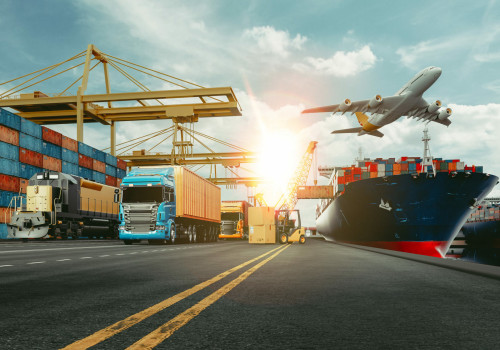
Cargo shipping is a vital component of global trade, facilitating the movement of goods across vast distances. As businesses increasingly rely on international markets, understanding the intricacies of cargo shipping becomes essential. This process involves not just the physical transportation of goods but also a complex web of documentation that ensures everything runs smoothly. Among these documents, the bill of lading stands out as a cornerstone of shipping logistics.The bill of lading serves multiple purposes in the realm of shipping documentation.
It acts as a receipt for the cargo, confirming that the carrier has received the goods in good condition and is responsible for their safe transport to the designated destination. Additionally, it functions as a contract between the shipper and the carrier, outlining the terms and conditions under which the cargo will be transported. This document not only protects the interests of both parties but also plays a crucial role in customs clearance and insurance claims.As we delve deeper into the world of cargo shipping, it becomes clear that understanding the role of documentation—especially the bill of lading—is essential for anyone involved in logistics or supply chain management. The efficiency and reliability of cargo shipping hinge on these documents, making them indispensable tools for ensuring that goods reach their destinations safely and on time.
What is a Bill of Lading?
A bill of lading is a crucial document in the realm of cargo shipping, serving multiple purposes throughout the transportation process.At its core, a bill of lading acts as a contract between the shipper and the carrier, detailing the specifics of the cargo being transported. It outlines the responsibilities of each party and provides legal protection in case of disputes.In addition to being a contract, the bill of lading also serves as a receipt for the goods. When the carrier receives the cargo, they issue this document to confirm that they have taken possession of it. This receipt is vital for both the shipper and the consignee, as it verifies that the goods were loaded and are in transit.
Types of Bill of Lading
- Straight Bill of Lading: This type is non-negotiable and is typically used when the goods are consigned to a specific person.
It cannot be transferred to another party.
- Order Bill of Lading: Unlike a straight bill, this is negotiable and can be transferred to others. It allows for greater flexibility in transferring ownership during transit.
- Sea Waybill: This document serves as a receipt but does not confer title to the goods. It is often used for shipments where ownership does not need to change hands during transport.
- House Bill of Lading: Issued by freight forwarders, this type consolidates multiple shipments into one document, simplifying logistics for shippers.
By grasping these concepts, shippers can ensure compliance with legal requirements and streamline their shipping processes.
The Role of a Bill of Lading in Cargo Shipping
A bill of lading (BOL) is a crucial document in the realm of cargo shipping, serving multiple essential functions that facilitate the smooth transportation of goods. Understanding its roles can significantly enhance the efficiency and security of shipping operations.Receipt for Goods
One of the primary roles of a bill of lading is to act as a receipt for the cargo being shipped. When a shipper hands over goods to a carrier, the bill of lading serves as proof that the carrier has received the specified items in good condition. This receipt is vital for both parties, as it provides a record that can be referenced in case of disputes regarding the quantity or condition of the cargo.Contract of Carriage
In addition to being a receipt, the bill of lading also functions as a contract between the shipper and the carrier.It outlines the terms and conditions under which the cargo will be transported, including details such as:
- Shipping routes
- Delivery timelines
- Liabilities and responsibilities
Document of Title
The bill of lading also serves as a document of title, which means it grants ownership rights to the holder. This aspect is particularly important in international trade, where goods may change hands multiple times before reaching their final destination. The holder of the bill can transfer ownership by endorsing it, making it a vital tool for financing and trading goods in transit.In summary, the role of a bill of lading in cargo shipping encompasses being a receipt, a contract, and a document of title. Each function plays an integral part in ensuring that goods are transported efficiently and securely, highlighting the importance of this document in global trade.Key Components of a Bill of Lading
A bill of lading is a crucial document in the realm of cargo shipping, serving multiple purposes that are essential for both legal and logistical operations.Understanding its key components can help stakeholders navigate the complexities of shipping and ensure compliance with regulations.
- Shipper Information: This section includes the name and address of the party sending the goods. Accurate details are vital for identifying the sender and facilitating communication.
- Consignee Information: The consignee is the recipient of the cargo. Including their name and address ensures that the shipment reaches the correct destination.
- Description of Goods: A detailed description of the cargo, including quantity, weight, and type, is essential. This information helps in assessing shipping costs and ensuring proper handling during transit.
- Shipping Instructions: This component outlines specific instructions regarding the handling and delivery of the cargo.
Clear instructions can prevent misunderstandings and delays.
- Carrier Information: The name of the shipping company or carrier is included to identify who is responsible for transporting the goods. This is important for accountability and tracking purposes.
- Date of Issue: The date when the bill of lading is issued is significant for establishing timelines related to delivery and liability.
- Terms and Conditions: This section outlines the legal obligations of all parties involved in the shipping process. Understanding these terms can protect against disputes and clarify responsibilities.
Types of Bills of Lading Used in Cargo Shipping
In the realm of cargo shipping, the bill of lading serves as a crucial document that not only acts as a receipt for the goods but also outlines the terms of the transport agreement.Understanding the different types of bills of lading is essential for shippers, carriers, and consignees alike. Here are the primary types:
- Straight Bill of Lading: This type is non-negotiable and is typically used when the goods are consigned directly to a specific recipient. The straight bill of lading ensures that only the named consignee can claim the cargo upon arrival, making it a secure option for transactions where trust is established.
- Order Bill of Lading: In contrast, an order bill is negotiable and can be transferred to another party. This flexibility allows for the sale or transfer of goods while they are still in transit.
The holder of an order bill can endorse it to another party, making it a vital tool in international trade where ownership may change hands frequently.
- Negotiable Bills: These bills allow for the transfer of ownership through endorsement. They are essential in situations where goods need to be sold while still in transit, providing liquidity and facilitating trade.
- Non-Negotiable Bills: These bills do not allow for ownership transfer and are typically used when the shipper wants to maintain control over who receives the cargo. They provide certainty regarding the consignee but limit flexibility in transactions.
Legal Implications and Responsibilities Associated with Bills of Lading
The bill of lading serves as a crucial document in the realm of cargo shipping, not only facilitating the transportation of goods but also establishing legal responsibilities and implications for both shippers and consignees. Understanding these legal aspects is essential for all parties involved in the shipping process.Responsibilities of the Shipper
- The shipper is responsible for providing accurate information regarding the cargo, including its nature, weight, and dimensions.
Any discrepancies can lead to legal disputes or financial losses.
- Additionally, the shipper must ensure that the goods are properly packaged and labeled, complying with all relevant regulations. Failure to do so can result in liability for damages incurred during transit.
Responsibilities of the Consignee
- The consignee, who is the recipient of the cargo, has the responsibility to inspect the goods upon arrival. They must report any damages or discrepancies immediately to protect their rights under the bill of lading.
- Furthermore, the consignee is obligated to pay any freight charges or fees associated with the shipment, as stipulated in the bill of lading.
Liability in Cargo Shipping
Liability issues often arise in cargo shipping, particularly concerning loss or damage to goods. The bill of lading typically outlines the extent of liability for both parties:
- If damage occurs due to negligence on the part of the carrier, they may be held liable for compensation.
However, if damage results from inherent defects in the goods or external factors like natural disasters, liability may shift away from the carrier.
- Moreover, many bills of lading include clauses that limit liability, which can significantly impact claims made by shippers or consignees. It is crucial for both parties to understand these clauses before entering into agreements.
Common Issues and Challenges with Bills of Lading in Cargo Shipping
In the realm of cargo shipping, the bill of lading (BOL) serves as a critical document, yet it is not without its challenges. Understanding these common issues can help shippers, carriers, and consignees navigate the complexities of international trade.Issues with Bills of Lading
One prevalent issue is the inaccuracy of information on the bill of lading.Errors in details such as the description of goods, weight, or consignee information can lead to significant delays and disputes. For instance, if the weight listed on the BOL does not match the actual weight, it may result in additional charges or even legal complications.
Challenges in Cargo Shipping Documentation
Another challenge arises from the timeliness of documentation. Delays in issuing or receiving bills of lading can disrupt the entire shipping process. This is particularly problematic in cases where cargo is held at customs due to missing or incorrect paperwork.To mitigate this risk, it is essential for all parties involved to establish clear communication and timelines for documentation.
Disputes Over Bills of Lading
Disputes often occur when there is a lack of clarity regarding the terms outlined in the bill of lading. For example, if a consignee claims that goods were damaged during transit but the BOL states that they were received in good condition, this can lead to conflicts. To resolve such disputes, it is advisable to conduct thorough inspections and document any damages immediately upon receipt.In conclusion, while bills of lading are indispensable in cargo shipping, being aware of these common issues and challenges can help stakeholders manage risks effectively. By ensuring accuracy, timeliness, and clarity in documentation, parties can minimize disputes and enhance the efficiency of their shipping operations.Best Practices for Managing Bills of Lading in Cargo Shipping
Managing bills of lading effectively is crucial for ensuring smooth operations in cargo shipping.Here are some best practices to consider:
- Standardize Documentation: Create a standardized template for bills of lading to ensure consistency across all shipments. This reduces errors and speeds up the documentation process.
- Digital Solutions: Utilize digital platforms for managing bills of lading. Electronic bills of lading (eBOL) can streamline the process, reduce paperwork, and enhance tracking capabilities.
- Training and Awareness: Regularly train your team on the importance of accurate bill of lading management. Ensure they understand the implications of errors and how to handle discrepancies.
- Verification Process: Implement a verification process where bills of lading are checked for accuracy before shipment.
This can prevent costly mistakes and delays.
- Clear Communication: Maintain open lines of communication with all parties involved in the shipping process, including shippers, carriers, and consignees. This helps in quickly resolving any issues related to the bill of lading.
- Regular Audits: Conduct regular audits of your bill of lading management process. This will help identify areas for improvement and ensure compliance with industry regulations.
FAQs About Bills of Lading in Cargo Shipping
Understanding the role of a bill of lading in cargo shipping can be complex, leading to several frequently asked questions. Here are some common queries and their answers:- What is a bill of lading?
A bill of lading is a legal document between the shipper and carrier that details the type, quantity, and destination of the goods being transported.It serves as a receipt for the cargo and outlines the terms of the shipment.
- Why is a bill of lading important in cargo shipping?
The bill of lading is crucial because it acts as proof of ownership, a contract for transportation, and a receipt for the goods. It ensures that all parties involved understand their responsibilities and rights. - What types of bills of lading are there?
There are several types, including:- Straight Bill of Lading: Non-negotiable; goods are delivered to a specific consignee.
- Order Bill of Lading: Negotiable; can be transferred to others, allowing for flexibility in ownership during transit.
- Sea Waybill: Similar to a bill of lading but does not confer title to the goods.
- Can a bill of lading be amended?
Yes, amendments can be made to a bill of lading, but they typically require agreement from all parties involved. This may include changes in delivery instructions or corrections to cargo details. - What happens if a bill of lading is lost?
If a bill of lading is lost, it can complicate the shipping process. The shipper may need to provide proof of ownership and request a replacement from the carrier, which can involve additional fees and delays.
Conclusion: The Essential Role of Bills of Lading in Successful Cargo Shipping
In conclusion, the bill of lading serves as a cornerstone in the realm of cargo shipping, encapsulating its multifaceted role in ensuring smooth and efficient transportation of goods.Throughout this article, we have explored how this essential document functions not only as a receipt for the cargo but also as a contract between the shipper and the carrier, and as a document of title.One of the primary functions of a bill of lading is to provide proof of the shipment. This document confirms that the carrier has received the goods in good condition and is obligated to deliver them to the designated destination. This aspect is crucial for both shippers and consignees, as it establishes accountability and trust in the shipping process.Moreover, the bill of lading acts as a legal contract that outlines the terms and conditions under which the cargo is transported. This includes details such as freight charges, delivery timelines, and liability clauses.
Understanding these terms is vital for all parties involved in cargo shipping, as it helps mitigate disputes and ensures compliance with regulations.Additionally, the bill of lading serves as a document of title, which means it can be transferred to others. This feature allows for flexibility in transactions, enabling buyers and sellers to trade goods even before they reach their final destination. Such transferability can significantly enhance liquidity in international trade.In summary, the importance of bills of lading in cargo shipping cannot be overstated. They are not merely bureaucratic paperwork; they are vital instruments that facilitate trade, protect interests, and ensure that goods are transported safely and efficiently.
As global trade continues to evolve, understanding the role of bills of lading will remain essential for anyone involved in cargo shipping.