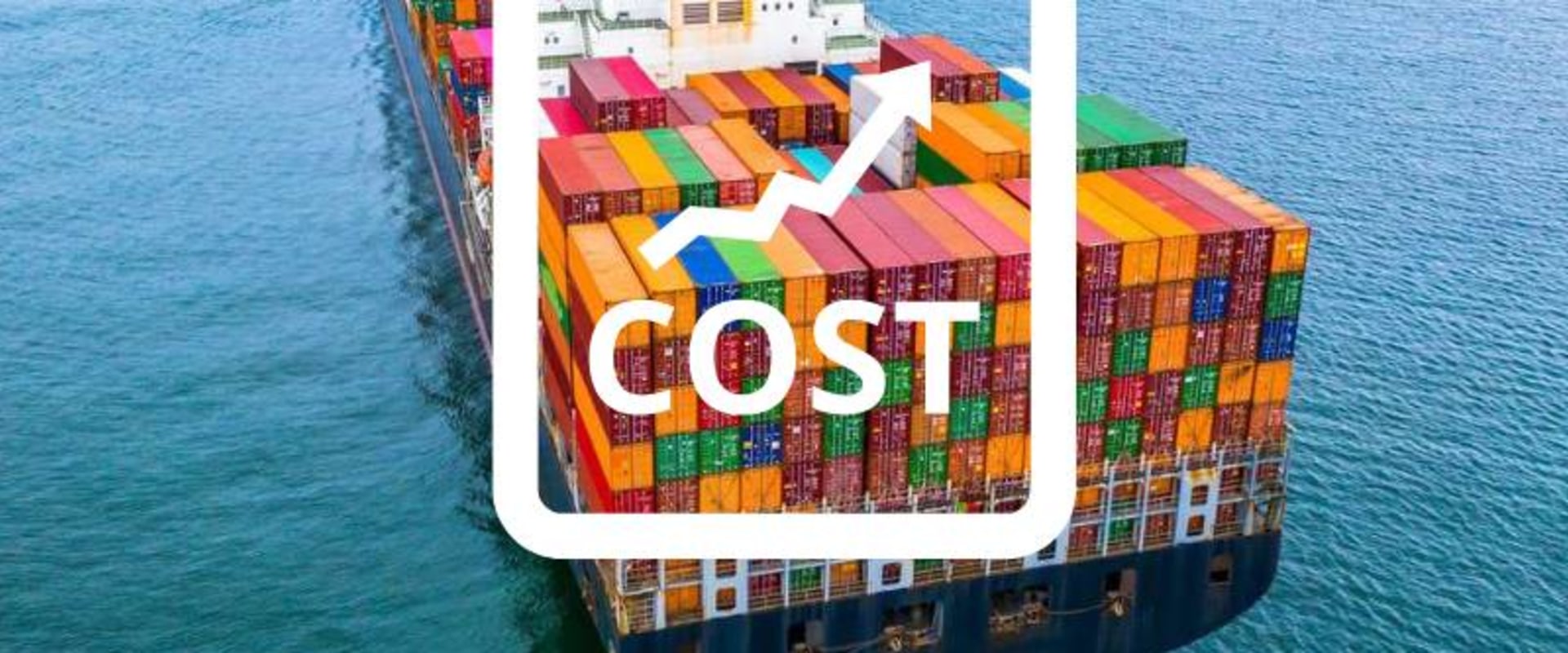
Cargo shipping is a vital component of global trade, facilitating the movement of goods across vast distances. Understanding cargo shipping costs is essential for businesses and individuals alike, as these expenses can significantly impact overall logistics and supply chain management. From small packages to large freight shipments, the costs associated with cargo shipping can vary widely based on several factors. At its core, cargo shipping involves not just the price of transportation but also a myriad of additional expenses that can arise during the shipping process. These may include fuel surcharges, customs duties, insurance fees, and handling charges.
Each of these elements contributes to the final cost, making it crucial for shippers to have a comprehensive overview of what influences these expenses. As we delve deeper into the intricacies of shipping expenses, we will explore how factors such as distance, weight, and mode of transport play pivotal roles in determining the overall cost. Additionally, understanding market trends and seasonal fluctuations can provide valuable insights for businesses looking to optimize their shipping strategies. By grasping the fundamentals of cargo shipping costs, stakeholders can make informed decisions that enhance efficiency and profitability in their operations.
Factors Influencing Cargo Shipping Costs
Understanding the factors influencing cargo shipping costs is essential for anyone involved in logistics, whether for personal or business purposes. Several key elements determine how much you will pay for shipping your goods.- Distance: The distance between the origin and destination plays a significant role in determining shipping costs.
Longer distances typically incur higher fees due to increased fuel consumption and time.
- Weight: Heavier shipments generally cost more to transport. Shipping companies often use weight as a primary factor in their pricing models, as heavier cargo requires more resources to move.
- Dimensions: The size of the cargo can also affect shipping costs. Larger items may require special handling or take up more space in a shipping container, leading to higher charges.
- Type of Cargo: Different types of cargo have varying shipping requirements. For instance, perishable goods may need refrigerated containers, while hazardous materials require special handling and documentation, both of which can increase costs.
- Shipping Method: The choice between air, sea, or land transport can significantly impact costs.
Air freight is usually faster but more expensive than sea freight, which is slower but often more economical for large shipments.
- Insurance and Additional Fees: Depending on the value and nature of the cargo, insurance may be necessary, adding to the overall cost. Additionally, customs duties, port fees, and handling charges can further influence the final price.
Types of Cargo Shipping Services
When considering cargo shipping, it’s essential to understand the various types of shipping services available, as each method can significantly impact your overall costs and delivery times. Here are the primary types of cargo shipping services:- Air Freight: This is one of the fastest methods for transporting goods, making it ideal for time-sensitive shipments. However, air freight tends to be more expensive than other options due to fuel costs and airport fees.
It is best suited for high-value items or urgent deliveries.
- Sea Freight: Often the most economical choice for large shipments, sea freight involves transporting goods via cargo ships. While it is slower than air freight, it is cost-effective for bulk items and can accommodate a wide range of cargo types. The cost is influenced by factors such as distance, shipping line, and port fees.
- Road Transport: This method is commonly used for domestic shipping and can be a flexible option for delivering goods directly to their final destination.
Road transport
costs vary based on distance, vehicle type, and fuel prices.It’s often used in conjunction with air or sea freight to complete the logistics chain.
Cost Breakdown of Cargo Shipping
Understanding the cost of cargo shipping requires a closer look at the various components that contribute to the overall price.Each element plays a crucial role in determining how much you will ultimately pay for transporting your goods.
- Base Freight Rate: This is the fundamental charge for moving your cargo from one point to another. It varies based on the shipping method (ocean, air, or land) and the distance involved.
- Fuel Surcharges: Fluctuating fuel prices can significantly impact shipping costs. Carriers often apply a fuel surcharge to account for these variations, which can change frequently based on market conditions.
- Insurance Costs: Protecting your cargo against loss or damage is essential. Insurance costs depend on the value of the goods being shipped and the level of coverage you choose.
- Customs Fees: When shipping internationally, customs duties and taxes may apply.
These fees are determined by the destination country's regulations and can vary widely based on the type of goods being imported.
- Handling Charges: These fees cover the costs associated with loading and unloading your cargo at ports or terminals. They can include terminal handling charges, documentation fees, and other administrative costs.
How to Calculate Cargo Shipping Costs
Calculating cargo shipping costs can seem daunting, but with the right approach and tools, you can estimate your expenses accurately. Here’s a step-by-step guide to help you understand how to calculate your shipping costs effectively.1.Understand the Key Factors
Several factors influence cargo shipping costs:- Weight and Volume: Heavier and bulkier shipments typically cost more to transport.
- Distance: The farther the destination, the higher the shipping cost.
- Shipping Method: Air freight is usually more expensive than sea freight.
- Insurance: Adding insurance for high-value items will increase your total cost.
- Customs Fees: International shipments may incur additional customs duties and taxes.
2.Use a Shipping Cost Calculator
A shipping cost calculator can simplify the process.Many logistics companies offer online calculators where you can input your shipment details, including weight, dimensions, origin, and destination. This tool provides an instant estimate of your shipping costs.
3.Calculate Manually
If you prefer a manual approach, you can use the following formula:- Total Cost = Base Rate + (Weight x Rate per Weight) + (Volume x Rate per Volume) + Additional Fees
- Total Cost = $100 + (200 x $0.50) + (10 x $10) + $20
- Total Cost = $100 + $100 + $100 + $20 = $320
Common Myths About Cargo Shipping Costs
When it comes to cargo shipping, there are several prevalent myths that can cloud a customer's understanding of the actual costs involved. Addressing these misconceptions is crucial for making informed decisions and avoiding unexpected expenses.- Myth 1: All cargo shipping is expensive. Many people assume that shipping costs are universally high.
In reality, cargo shipping rates can vary significantly based on factors such as distance, weight, and the type of goods being shipped. By comparing quotes from different carriers, customers can often find competitive rates.
- Myth 2: The cheapest option is always the best. While it may be tempting to choose the lowest price, this can lead to hidden costs or subpar service. It's essential to consider the reputation of the shipping company and the quality of their service alongside pricing.
- Myth 3: All fees are included in the initial quote. Many customers believe that the initial quote they receive covers all potential fees. However, additional charges such as customs duties, fuel surcharges, and handling fees may apply.
Always ask for a detailed breakdown of costs to avoid surprises.
- Myth 4: Cargo shipping is only for large businesses. Another common misconception is that only large companies can afford cargo shipping. In fact, many carriers offer services tailored for small businesses and individuals, making it accessible for everyone.
FAQs About Cargo Shipping Costs
When considering cargo shipping, many individuals and businesses have questions regarding the costs involved. Here are some frequently asked questions that can help clarify your understanding of cargo shipping costs.What factors influence cargo shipping costs?
The cost of cargo shipping can vary significantly based on several factors, including:- Distance: The longer the distance between the origin and destination, the higher the shipping cost.
- Weight and Volume: Heavier and bulkier shipments typically incur higher fees due to increased handling and transportation requirements.
- Shipping Method: Different methods such as air, sea, or land transport have varying costs associated with them.
- Type of Cargo: Special handling requirements for hazardous materials or perishable goods can increase costs.
- Insurance: Opting for cargo insurance will add to the overall shipping cost but provides peace of mind.
How can I get an accurate quote for cargo shipping?
To obtain an accurate quote for your cargo shipping, consider the following steps:- Provide Detailed Information: Include specifics about the type of cargo, dimensions, weight, and destination.
- Compare Quotes: Reach out to multiple shipping companies to compare their rates and services.
- Ask About Additional Fees: Inquire about any potential surcharges or hidden fees that may apply.
Are there any hidden costs in cargo shipping?
Yes, there can be hidden costs in cargo shipping.Common additional charges include:
- Duties and Taxes: Import duties and taxes may apply depending on the destination country.
- Fuel Surcharges: Fluctuations in fuel prices can lead to additional surcharges.
- Handling Fees: Charges for loading and unloading cargo at ports or terminals.
Conclusion: Navigating Cargo Shipping Costs Effectively
Understanding the cost of cargo shipping is crucial for businesses and individuals alike, as it directly impacts logistics planning and overall budget management. Throughout this article, we have explored various factors that influence these costs, including distance, weight, and the type of cargo being shipped.To effectively navigate cargo shipping costs, consider the following key points:- Shipping Method: Different methods such as air, sea, and land offer varying cost structures. Air freight is typically faster but more expensive, while sea freight is more economical for larger shipments.
- Volume and Weight: Shipping costs are often calculated based on the weight and volume of the cargo. Understanding dimensional weight can help in estimating costs more accurately.
- Insurance and Additional Fees: Always factor in insurance and any additional fees that may apply, such as customs duties or handling charges, to get a complete picture of shipping expenses.
- Carrier Selection: Different carriers may offer different rates and services.
Comparing quotes from multiple providers can lead to significant savings.