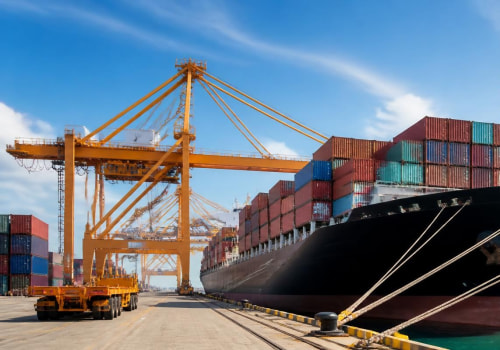
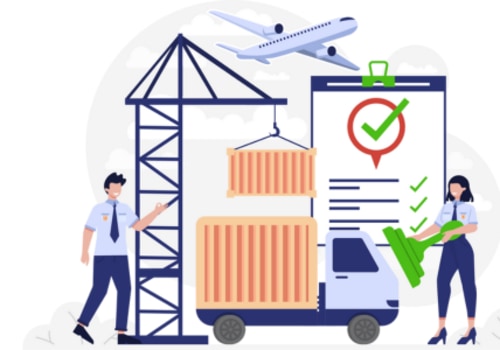
Cargo shipping is a vital component of global trade, facilitating the movement of goods across vast distances. As businesses expand their reach into international markets, the demand for efficient and reliable shipping solutions has never been greater. This is where the role of a freight forwarder becomes crucial. Acting as intermediaries between shippers and carriers, freight forwarders streamline the logistics process, ensuring that cargo is transported safely and efficiently from origin to destination. The complexities of cargo shipping can be daunting, involving various modes of transport, customs regulations, and documentation requirements.
Freight forwarders possess the expertise to navigate these challenges, providing invaluable support to businesses that may lack the resources or knowledge to manage shipping logistics independently. By leveraging their extensive networks and industry relationships, freight forwarders can negotiate favorable rates and optimize shipping routes, ultimately saving time and reducing costs for their clients. In essence, freight forwarders serve as the backbone of the cargo shipping industry, ensuring that goods are not only delivered on time but also in compliance with all regulatory standards. Their role extends beyond mere transportation; they provide a comprehensive suite of services that includes cargo insurance, warehousing solutions, and real-time tracking. Understanding the significance of freight forwarders in the logistics chain is essential for any business looking to thrive in today’s competitive marketplace.
What is Cargo Shipping?
Cargo shipping refers to the process of transporting goods and commodities from one location to another, typically across international borders.This vital component of global trade enables businesses to reach markets far beyond their local areas, facilitating the exchange of products and resources on a massive scale.The significance of cargo shipping in global trade cannot be overstated. It serves as the backbone of international commerce, allowing countries to import and export goods efficiently. Without effective cargo shipping methods, many industries would struggle to obtain necessary materials or distribute their products to consumers worldwide.
Types of Cargo Shipping
- Container Shipping: This is one of the most common methods, where goods are packed into standardized containers for transport. It allows for easy loading and unloading and is suitable for a wide range of products.
- Bulk Shipping: Used primarily for transporting large quantities of unpackaged goods, such as grains, coal, or liquids.
Bulk carriers are designed specifically for this purpose.
- Breakbulk Shipping: Involves transporting cargo that must be loaded individually, rather than in containers. This method is often used for oversized or heavy items that cannot fit into standard containers.
- Ro-Ro Shipping: Short for "Roll-on/Roll-off," this method is used for vehicles and machinery that can be driven on and off the ship.
The Role of a Freight Forwarder in Cargo Shipping
A freight forwarder plays a crucial role in the realm of cargo shipping, acting as an intermediary between shippers and various transportation services. Their primary responsibility is to ensure that goods are transported efficiently and cost-effectively from the point of origin to the destination.Logistics Management
- Freight forwarders manage the entire logistics process, which includes planning the best routes, selecting appropriate carriers, and determining the most economical shipping methods.
- They analyze factors such as delivery timelines, cargo type, and destination to optimize shipping strategies.
Documentation Handling
- One of the key functions of a freight forwarder is to handle all necessary documentation required for international shipping.
This includes bills of lading, commercial invoices, and customs declarations.
- By ensuring that all paperwork is accurate and complete, freight forwarders help prevent delays and potential legal issues during transit.
Coordination with Carriers
- Freight forwarders maintain relationships with various carriers, including shipping lines, airlines, and trucking companies. This network allows them to negotiate better rates and secure space for cargo.
- They coordinate schedules and track shipments in real-time, providing updates to shippers about their cargo's status.
Key Services Offered by Freight Forwarders
Freight forwarders play a crucial role in cargo shipping by offering a variety of essential services that streamline the shipping process. These services not only facilitate the movement of goods but also ensure compliance with international regulations.Customs Clearance
One of the primary responsibilities of a freight forwarder is to handle customs clearance.This involves preparing and submitting the necessary documentation to customs authorities, ensuring that all duties and taxes are paid, and that shipments comply with local laws. By managing this complex process, freight forwarders help prevent delays and potential fines, allowing businesses to focus on their core operations.
Cargo Insurance
Another vital service provided by freight forwarders is cargo insurance. Shipping goods internationally comes with inherent risks, including damage or loss during transit. Freight forwarders can arrange for comprehensive insurance coverage that protects the value of the cargo.This peace of mind is invaluable for businesses, as it mitigates financial risks associated with unforeseen events.
Warehousing Solutions
In addition to customs clearance and insurance, many freight forwarders offer warehousing solutions. This service allows businesses to store their goods temporarily before they are shipped or after they arrive at their destination. Warehousing can be particularly beneficial for companies that need to manage inventory levels or require additional time for distribution logistics.Overall, the services provided by freight forwarders are integral to the success of cargo shipping. By leveraging their expertise in customs regulations, insurance options, and warehousing capabilities, businesses can enhance their supply chain efficiency and reduce operational risks.Benefits of Using a Freight Forwarder for Cargo Shipping
Utilizing a freight forwarder for cargo shipping offers numerous advantages that can significantly enhance the efficiency and effectiveness of your shipping operations.Here are some key benefits:
- Cost Savings: Freight forwarders have established relationships with carriers, allowing them to negotiate better rates. This can lead to substantial savings on shipping costs, especially for businesses that ship large volumes.
- Expertise in Regulations: Navigating the complex world of international shipping regulations can be daunting. Freight forwarders possess in-depth knowledge of customs requirements, tariffs, and documentation needed for cargo shipping. Their expertise helps ensure compliance and minimizes the risk of delays or fines.
- Time Efficiency: Managing logistics can be time-consuming.
By outsourcing to a freight forwarder, businesses can focus on their core operations while leaving the intricate details of cargo shipping to the experts. This not only saves time but also streamlines the shipping process.
- Risk Management: Freight forwarders provide insurance options and risk assessment services, helping businesses mitigate potential losses during transit. This added layer of security is crucial for protecting valuable shipments.
- Comprehensive Services: Many freight forwarders offer a range of services beyond just transportation, including warehousing, packaging, and distribution. This one-stop-shop approach simplifies logistics management for businesses.
Challenges Faced by Freight Forwarders in Cargo Shipping
Freight forwarders play a crucial role in cargo shipping, but they also face a myriad of challenges that can complicate their operations.Understanding these challenges is essential for both freight forwarders and their clients to navigate the complexities of global trade.
Regulatory Changes
One of the most significant challenges is the ever-evolving landscape of regulations. Freight forwarders must stay updated on international trade laws, customs regulations, and safety standards, which can vary significantly from one country to another. Non-compliance can lead to delays, fines, or even the seizure of goods.Market Fluctuations
The cargo shipping industry is highly susceptible to market fluctuations. Changes in fuel prices, demand for shipping services, and geopolitical events can all impact shipping costs and availability.Freight forwarders must be adept at forecasting these changes and adjusting their strategies accordingly to remain competitive.
Logistical Hurdles
Logistics is another area where freight forwarders encounter challenges. Coordinating multiple carriers, managing schedules, and ensuring timely deliveries require meticulous planning and execution. Unexpected issues such as port congestion, equipment shortages, or adverse weather conditions can disrupt even the best-laid plans.Technological Adaptation
As technology continues to advance, freight forwarders must adapt to new tools and systems that enhance efficiency. However, integrating these technologies can be challenging due to costs, training requirements, and resistance to change within organizations.Customer Expectations
In today’s fast-paced environment, customers expect real-time updates and transparency regarding their shipments.Meeting these expectations requires robust communication systems and a commitment to customer service, which can strain resources.In summary, while freight forwarders are essential players in cargo shipping, they must navigate a complex array of challenges ranging from regulatory compliance to logistical management. By understanding these issues, they can better prepare themselves to provide efficient and reliable services in an increasingly competitive market.
How to Choose the Right Freight Forwarder for Your Needs
Choosing the right freight forwarder is crucial for ensuring smooth and efficient cargo shipping. With numerous options available, it can be overwhelming to make a decision. Here are some key factors to consider when selecting a freight forwarder:- Experience and Expertise: Look for a freight forwarder with a proven track record in the industry.
Their experience can significantly impact the efficiency of your cargo shipping. Check how long they have been in business and their familiarity with your specific shipping needs.
- Services Offered: Different freight forwarders provide various services. Ensure that the one you choose offers comprehensive solutions that align with your requirements, such as customs clearance, warehousing, and insurance options.
- Network and Partnerships: A well-connected freight forwarder can facilitate smoother logistics. Investigate their network of carriers and agents, as this can affect transit times and costs.
- Customer Reviews and Testimonials: Research feedback from previous clients.
Positive reviews can indicate reliability and quality service, while negative feedback may highlight potential issues.
- Cost Structure: While cost shouldn’t be the only factor, it’s essential to understand the pricing model of your chosen freight forwarder. Look for transparency in their fees to avoid unexpected charges during the shipping process.
FAQs About Freight Forwarding and Cargo Shipping
When it comes to cargo shipping, many people have questions about the role of a freight forwarder and how they facilitate the shipping process. Here are some frequently asked questions that can help clarify these concepts:- What is a freight forwarder?
A freight forwarder is a company or individual that organizes the shipment of goods on behalf of shippers.They act as intermediaries between the shipper and various transportation services, ensuring that cargo is transported efficiently and cost-effectively.
- How does a freight forwarder assist in cargo shipping?
Freight forwarders handle a variety of tasks, including: - Negotiating freight rates with carriers
- Arranging for cargo insurance
- Preparing and processing shipping documentation
- Coordinating customs clearance
- Tracking shipments and providing updates to clients
- Do I need a freight forwarder for my cargo shipping?
While it is possible to manage shipping logistics independently, using a freight forwarder can save time and reduce stress, especially for those unfamiliar with international shipping regulations. - What are the costs associated with using a freight forwarder?
Freight forwarders typically charge fees based on the services provided, which may include: - Service fees for arranging transportation
- Customs brokerage fees
- Insurance premiums
- Can freight forwarders help with customs clearance?
Yes, one of the key roles of a freight forwarder is to facilitate customs clearance. They ensure that all necessary documentation is prepared and submitted to avoid delays at borders.
Conclusion: The Indispensable Role of Freight Forwarders in Global Trade
In conclusion, the role of freight forwarders in cargo shipping is not just significant; it is essential for the smooth operation of global trade. These professionals act as the vital link between shippers and carriers, ensuring that goods are transported efficiently and cost-effectively across international borders.Throughout this article, we have explored several key functions that freight forwarders perform:- Logistics Management: Freight forwarders coordinate the entire shipping process, from documentation to customs clearance, allowing businesses to focus on their core operations.
- Cost Efficiency: By leveraging their industry connections and expertise, freight forwarders can negotiate better rates and optimize shipping routes, ultimately reducing costs for shippers.
- Risk Mitigation: They help manage risks associated with international shipping, including insurance options and compliance with regulations, which can be daunting for businesses unfamiliar with the complexities of global logistics.
- Expert Guidance: With their extensive knowledge of the shipping industry, freight forwarders provide valuable insights and advice on best practices, helping businesses navigate challenges effectively.
Companies that partner with experienced freight forwarders are better positioned to thrive in this competitive landscape. By entrusting their shipping needs to these experts, businesses can enhance their operational efficiency and ensure timely delivery of goods to their customers.Ultimately, freight forwarders are not merely service providers; they are strategic partners in the journey of goods from origin to destination. Their indispensable role in cargo shipping underscores the interconnectedness of our global economy and highlights the need for reliable logistics solutions in today’s fast-paced market.